Too many travelers miss the real magic of a place because they stick to the same old food. Food is more than fuel; it’s a gateway to cultural understanding and personal growth. When you dive into local cuisines, you connect with the heart of a culture.
I’ve watched people transform through culinary adventures. They go from hesitant eaters to passionate explorers of cuisine exploration richness. But many don’t know how to engage with diverse food cultures.
I’ve spent years facilitating global travel takeaways, and I’ve learned that authentic experiences lie in the plates we choose. This article is your guide to understanding, appreciating, and actively pursuing culinary adventure diversity.
You won’t just eat; you’ll experience the soul of a culture. Prepare to broaden your horizons and enrich your travels with unforgettable flavors and stories. Let’s take this journey together.
Culinary Adventure Diversity: A Flavorful Exploration
Culinary adventure diversity is not just about trying new foods. It’s about immersing yourself in the entire journey of food. It’s the difference between eating sushi at a local spot and understanding the ritual of a Japanese tea ceremony.
You see, taste, and feel the culture.
What defines this kind of adventure? It’s about exploring different preparation methods, unique ingredients, and traditional dining customs. Imagine the sizzling sound of a street-side wok or the aroma of spices in a Moroccan souk.
The socio-economic context is key too. Knowing where your food comes from deepens the experience.
Why bother with all this detail? Because embracing culinary diversity broadens perspectives. It fosters empathy and challenges preconceived notions about other cultures.
You’re not just filling your belly. You’re feeding your mind.
Real examples? Think about this guide that delves into rituals and traditions. It’s about the communal aspect of a Moroccan tagine meal, not just the taste.
Are you ready for personal growth? Stepping outside your culinary comfort zone can lead to deep self-discovery. It’s what I call “cuisine exploration richness,” a richer travel experience that goes beyond the plate.
Culinary Exploration: Beyond Tourist Traps
Let’s talk about getting to the heart of a culture through its food. Skipping the typical tourist traps is important. Why?
First up, local markets. They’re lively, chaotic, and, well, sometimes overwhelming. But that’s the beauty of it.
Because real cuisine exploration richness happens when you dive into the local scene.
You want to get through these spaces like a local. Watch how locals haggle and interact. The fresh produce and spices are the stars here, not packaged souvenirs.
Engage respectfully (smile,) maybe learn a word or two in the local language. It goes a long way.
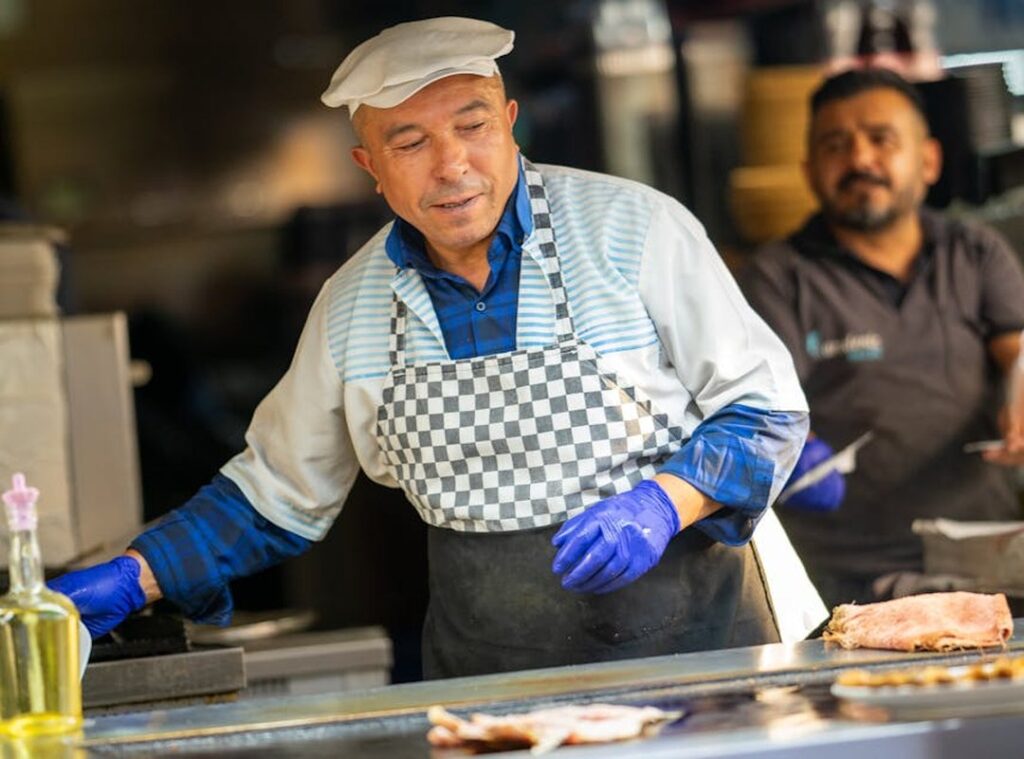
Then, there’s street food. It’s the backbone of many culinary cultures. Sure, hygiene is a concern (no one wants a side of stomach ache with their taco), so pick stalls with lines.
Locals know what’s good. And always be respectful. You’re a guest in their space.
Cooking classes and home stays? They’re game changers. Real insight into traditional techniques and family recipes can’t be beat.
It’s hands-on and personal. You’ll leave with stories and skills, not just photos.
Finding hidden gems is tricky. But with a little effort. Like asking locals or diving into niche cultural food blogs.
You’ll stumble upon eateries that tourists miss. These places often hold the secrets of authentic flavors.
Lastly, understanding regional differences within a country is key. Think Northern vs. Southern Italian cuisine.
Each region has its own vibe and specialties. Dive into that. It’s like unlocking a whole new world within a country.
Flavorful Journeys: Savoring Every Bite
Traveling is about more than just seeing new places. It’s about tasting them too. If you’re diving into the world of cuisine exploration richness, start with pre-trip research.

Know your stuff before you get there. Look up local dishes and dining etiquette. You’d be surprised how much knowing a bit about common ingredients can boost your experience.
Check out reputable food blogs or documentaries. They often have the inside scoop.
When you land, engage with locals. They’re your best guides. Ask for food recommendations from vendors or hotel staff.
Don’t just take their word for it. Listen actively. Be polite.
After all, who knows the flavor space better than those who live it every day?
Feeling hesitant? Don’t be. Overcoming apprehension is part of the journey.
Start small. Try familiar ingredients first, just cooked differently. Maybe dine with a local guide.
It’s less scary and more fun than you think.
Dietary restrictions? Communicate them clearly. Preparation is key.
Learn a few important phrases in the local language or have them written down. Show respect. You’re a guest in their kitchen.
Don’t let these memories slip away. Document your discoveries. Whether it’s through journaling, photography, or collecting recipes, keeping a record is rewarding.
It’s like capturing a piece of the culture to take home. And for an extra dive into the culinary world, check out this piece on global cuisine: exploring diverse culinary traditions …. You’ll find it enlightening.
Culinary Adventure: Savor the World
For me, Southeast Asia is a culinary treasure chest. The likes of Thailand and Vietnam offer an detailed balance of flavors (sweet,) sour, salty, spicy. Street food here?
It’s an art form. From Pad Thai that dances on your taste buds to the comforting slurp of Pho, each dish tells a story. You can’t help but be drawn in by the lively markets.
Then there’s Latin America, where food is more than a meal. It’s a narrative. Mexican and Peruvian dishes are steeped in ancient traditions.
Think Oaxacan moles, rich and complex, or the fresh tang of Peruvian ceviche. These aren’t just meals; they’re a a history of fusion and indigenous ingredients.
Over in the Mediterranean, it’s all about fresh, seasonal produce. Italy, Greece, Turkey (they’ve) got it down. Olive oil, herbs, and a communal dining spirit are their trademarks.
Yet each country has its culinary identity. You taste the Mediterranean sunshine in every bite.
West Africa’s cuisine is a delicious surprise. Senegal and Ghana bring bold flavors with staples like millet and plantains. Dishes like Jollof rice or Fufu are more than satisfying.
They’re historical. You taste centuries of tradition in a single spoonful.
The Indian Subcontinent? It’s a spicy whirlwind. From the vegetarian delights of India to the strong flavors of Pakistan, the diversity is staggering.
Spices aren’t just ingredients (they’re) a way of life.
And if you’re into language learning global perspectives, culinary exploration is a rich way to dive into culture. Cuisine exploration richness is real. Adventures of the taste buds await.
Your Flavorful Journey Awaits
I hope you see how important it is to embrace cuisine exploration richness. By avoiding diverse food experiences, you miss out on deep cultural connections. That’s a huge loss.
The strategies I shared, from cultural awareness to specific destinations, are practical tools that can transform your travel and dining adventures. They’re not just ideas. They can reshape how you view the world.
So, what’s stopping you? Apply these takeaways to your next travel plans. Approach food with curiosity and respect.
Let your palate guide you to new culinary landscapes.
Each bite holds a story waiting to be discovered. Every meal can enrich your understanding of the world.
Take that leap. Don’t let opportunities slip away. Dive into the richness that diverse cuisines offer.
Your next flavorful expedition is just a decision away. Start planning now and open up a world of possibilities.