When it comes to eating, do you ever feel like you’re missing out? I know I do. The truth is, local cuisine flavors can make or break your travel experience.
You can visit the grandest sites, but if you skip the food, you’re not really seeing the culture.
Think about it. Every dish tells a story. It reflects the history, traditions, and the very essence of the place.
I’ve traveled enough to understand that. I’ve tasted the street food in Thailand, savored the pasta in Italy, and indulged in spices in Morocco.
If you’re serious about exploring a new culture, you need to dive into its food. In this article, I’ll guide you through the best local dishes and where to find them. I’ll share tips on how to get the most authentic experience.
Trust me, your taste buds will thank you.
The Flavor Map: Unpacking Regional Tastes
When I think about “regional culinary tastes,” I picture the distinct personality of an area’s food. It’s not just about broader national dishes. It’s local, defined by specific ingredients and cooking methods (think Cajun spices or the tanginess of Korean kimchi).
But what really sets these flavors apart?
First, it’s about what’s growing nearby. Local produce shapes what’s common in everyday meals. A region’s history also plays a huge role.
Wars, migrations, and trade routes have introduced new elements over time. And let’s not forget community traditions. These are the recipes shared across generations, each adding their twist but keeping the heart of the dish the same.
It’s fascinating how a region’s geography. Its space, climate, and the people living there (are) reflected in its food. Imagine the hearty stews from cold climates versus the fresh and spicy dishes from tropical areas.
But here’s the twist: these flavors aren’t static. They evolve, absorbing influences while staying true to their roots. That’s why exploring art exploration galleries visiting is like understanding local cuisine flavors.
Both offer a changing insight into a culture.
So, next time you taste something new, think about the story behind it. What’s your favorite regional dish and why?
The Flavor Code: Geography, History, and Culture
Ever taken a bite of something so unique you had to know why it tasted that way? Local cuisine flavors are not just about what’s on the plate; they’re a story of geography, history, and culture. Geography and climate dictate what ingredients are available.
Coastal areas? They get all the seafood. Up in the mountains, it’s all about hearty produce.
Deserts? Spices galore. It’s nature’s way of saying, “Here’s what you’ve got to work with.”
History is another big player. Trade routes and migrations have shuffled ingredients around the globe. Think of how pasta made its way into American kitchens.
It’s fascinating how these exchanges create fusion dishes that become staples.
Religion and culture are in the mix too. Ever wonder why certain foods are prominent during holidays? Or why some dishes never see the light of day in certain places?
It’s all about dietary restrictions and traditions.
Economics can’t be ignored. Local industries shape what’s affordable. More fishing means cheaper fish, right?
Finally, tech changes how we cook. From ancient smoking to modern sous-vide, it all influences taste and texture.
So next time you dig into a dish, think about the layers of influence that make it special.
A Global Palette: Regional Cuisine in Contrast
Italian cuisine is a tale of two worlds. Up north, it’s all about rich, creamy goodness. Risotto alla Milanese, with its saffron and butter, is a prime example.
Then you head south, and it’s like a different universe. Olive oil, tomatoes, and seafood take center stage. Pasta alla Norma from Sicily?
You can’t beat it.
India’s culinary space is just as diverse. In the north, it’s dairy and bread heaven. Butter Chicken is the star, with its mild, creamy gravies.
But venture south, and the flavors crank up. Coconut and rice dominate, with spicy curries like Dosa and Sambhar.
Then there’s Mexican cuisine. Oaxaca’s complex moles are legendary, not to mention their daring use of insects. The Yucatán Peninsula, on the other hand, screams Mayan influence.
Cochinita pibil with its achiote and habaneros is unforgettable. Each region tells a story through its ingredients and cooking methods.
France, too, has its own regional tales. Alsace pulls from Germanic influences, with hearty dishes like Choucroute garnie. Move to Provence, and it’s a Mediterranean feast.
Bouillabaisse, loaded with herbs and olive oil, is pure magic. The historical contexts shape these identities, making them unique.
Curious about how ingredients and history shape these local cuisine flavors? It’s a fascinating topic. To dive deeper, check out these language tips communicate effectively for a richer understanding.
The world’s flavors are a lively mix, each thread telling its own story.
Savoring Authenticity: Embrace True Local Flavors
When you travel, ditch the tourist traps. They’re overpriced and rarely offer the authentic experience you’re after. Instead, dive into local markets and family-run eateries.
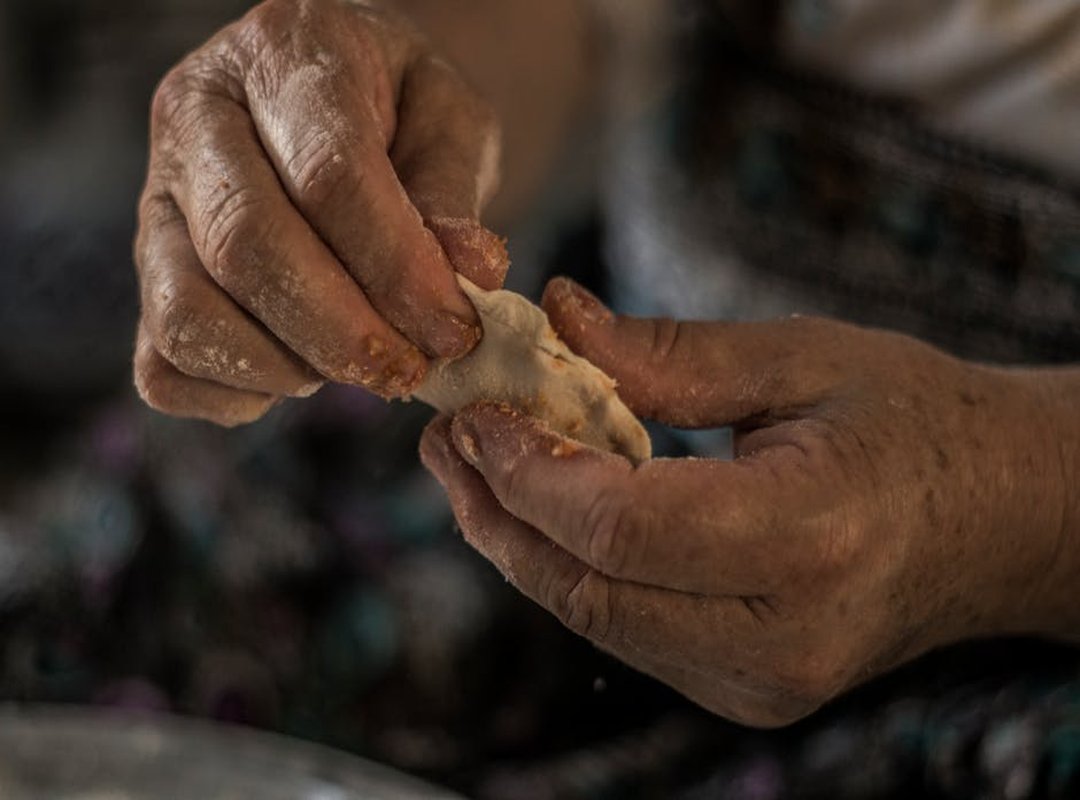
The soul of a region is in its food, and you’ll find that in places where the locals eat.
Ever tried asking a local for food recommendations? It’s a game-changer. You’ll get dishes that have been passed down through generations, each with its own story.
It’s not just about the taste; it’s about understanding regional details and traditions. And speaking of traditions, why not join a cooking class or a food tour? Getting hands-on with ingredients teaches you more than any guidebook ever could.
Now, I know what you’re thinking. What about those flavors when you’re not traveling? Here’s a tip: find specialty stores or ethnic markets.
You can even source specific ingredients online. It’s about recreating local cuisine flavors at home, keeping that travel spirit alive.
Mindful eating is key. It’s not just about filling your stomach; it’s about appreciating the cultural context and effort behind each dish. Ever been to a local festival?
They’re a feast for the senses and often highlight unique culinary traditions.
For a deeper dive into global food, check out the world food atlas: discover 19581 local. It’s a treasure trove of regional delights.
Beyond the Plate: Cultures in Every Bite
When I think about regional cuisine, it’s not just about food. It’s identity on a plate. Local cuisine flavors tell stories passed down through generations.
Isn’t it fascinating how these flavors preserve cultural memory? Just a bite can connect you to centuries of tradition.
Now, let’s talk sustainability. Supporting local farmers and embracing traditional agricultural practices isn’t just smart; it’s important for our planet. The ‘slow food’ movement is more than a trend.
It’s a necessity.
Economically, these culinary traditions are powerhouses, boosting local businesses and tourism. They’re lifelines for communities. Exploring these tastes isn’t just a culinary journey; it’s a celebration of global diversity.
Savor the World Through Food
I believe food is a universal language. It connects us to cultures and places in ways nothing else can. If you’re tired of generic dining, it’s time to dig deeper.
Exploring local cuisine flavors can transform your meals into authentic experiences. Intentional exploration, curiosity, and respect for local traditions are key.
So, what’s stopping you?
Take your taste buds on a journey. Travel to new destinations or even dive into your own kitchen. Experiment with recipes that reflect the world’s diverse flavors.
Embrace this culinary adventure. It’s not just about food; it’s about connection. Start today and savor the richness of culture through every bite.