Desert landscapes are mesmerizing. But let’s be honest: they can also be deadly. Many explorers head into these vast terrains without a clue about the dangers lurking beneath the sun-soaked surface.
I’ve seen it happen too often.
Without proper preparation, the beautiful sands can turn into a harsh reality. You might think you’re up for an adventure, but the unique challenges of the desert can lead to serious risks.
I want to share takeaways from countless experiences in arid regions around the globe. This isn’t just about survival; it’s about respecting the environment and knowing how to get through it safely.
In this article, I’ll provide a full guide on desert adventures safety. I’ll equip you with the knowledge to explore with confidence. By the end, you’ll understand not just how to survive, but how to truly appreciate the beautiful yet unforgiving nature of the desert.
Desert Adventures: Safety and Survival
Deserts are not all the same. Some are hot and sandy, while others are cold and rocky. Each type comes with its own set of challenges.
You can’t just wander in unprepared. Ever tried hiking in a salt flat? It’s like walking on another planet.
You need to know the risks.
First, there’s the wild temperature swings. It can scorch during the day and freeze at night. And let’s not forget the intense solar radiation and constant threat of dehydration.
These aren’t just minor inconveniences; they’re life-threatening. Oh, and those flash floods? They don’t care if you’re ready.
One moment it’s dry, the next it’s a raging river.
Nature isn’t the only danger. Venomous creatures like snakes and scorpions love these places. Know their habitats and how to steer clear.
You need protocols for when you inevitably encounter one. And yes, there’s a way to handle it smartly.
But wait, there’s more. Human-induced risks lurk too. Old conflict zones might have unexploded ordnance.
Abandoned mines? They’re not tourist attractions. Off-roading can mess up the environment, impacting both nature and local cultures.
Cultural sensitivity is key. These aren’t just barren lands. They hold historical and spiritual significance.
Respect them. Treat them like the treasures they are. And if you think jungles are any safer, check out our jungle expeditions takeaways tips for more survival advice.
The desert demands respect. Are you ready?
Desert Trekking: Mastering the Art of Preparation
Planning is everything when it comes to desert adventures. Without meticulous pre-expedition preparation, you’re just asking for trouble. Trust me, I’ve been there.
Start with route research. Know your desert like your favorite Netflix show. Get climate data, geological quirks, and don’t forget the permits for protected areas or tribal lands.
Next up, your itinerary. It should be as precise as a Swiss watch (but don’t let that phrase fool you). Identify waypoints, water sources, and emergency points.
Share it with someone you trust. Establish check-in protocols. Nothing worse than getting lost and having nobody know where you are, right?
Now, about your health. Assess medical conditions. Get your meds sorted.
Consult a travel doctor for desert-specific health advice and vaccinations. It’s not just the sun that can harm you out there.
Then there’s the physical and mental prep. Desert trekking isn’t a walk in the park. Train for endurance and heat acclimatization.
Prepare mentally for isolation and stress. It’s not all sunsets and selfies.
Lastly, cultural sensitivity training. This isn’t just a nice-to-have. It’s key.
Understand local cultures, respect sacred sites, and learn basic phrases if interactions are likely. It’s about respect and safety.
So, are you ready for your desert adventures safety? Get these right, and the desert will offer you an unforgettable experience.
Desert Survival Essentials: Gear Up or Pack It In
Desert adventures can be a thrill, but they’re not without their dangers. The glaring sun, expansive sands, and the unforgiving heat demand respect. Hydration systems are your lifeline. Calculate carefully.
At least one gallon per person each day is non-negotiable. You’ll need reservoirs and purification methods like filters and tablets. It’s redundancy for safety, trust me.
Next, let’s talk about clothing. You don’t want to be that person in the wrong gear (hot, sweaty, and sunburned). Lightweight, loose-fitting clothes are the way to go.
Light colors reflect the sun. Add wide-brimmed hats and high-quality sunglasses. Gaiters are a must to keep sand out.
Navigation isn’t just about knowing where you’re headed. You need redundancy here too. Think GPS devices, topographical maps, and a trusty compass.
A satellite messenger or PLB can be a lifesaver. Remember, tech can fail. Be prepared.
Emergency and first aid gear is non-negotiable. A full kit, emergency shelter, signaling tools, and a fire starter are important. You may want to check out the 7 worst mistakes to avoid in desert travel before setting out.
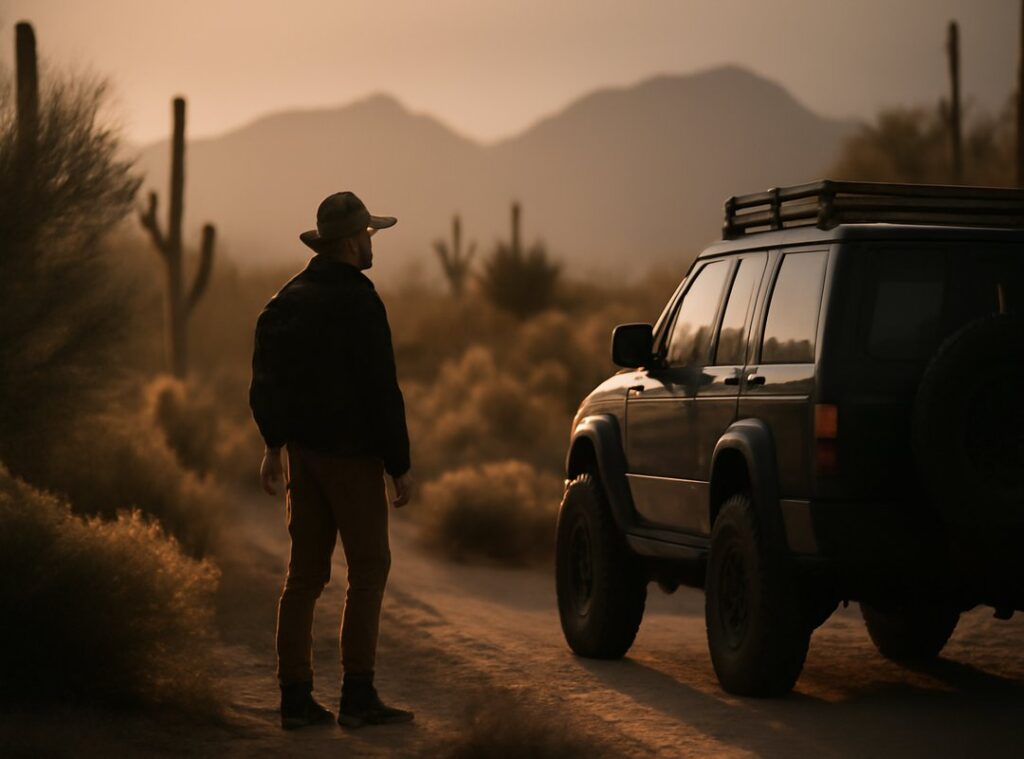
Lastly, if you’re in a vehicle, be smart. Spare tires, repair kits, recovery gear, and extra fuel are key. Know your 4×4 techniques.
This isn’t just about fun; it’s about desert adventures safety. Don’t take it lightly.
Mastering Desert Navigation: Stay Safe, Stay Smart
Desert adventures safety is no joke. When you’re out there, you need a plan. Advanced navigation is your best friend.
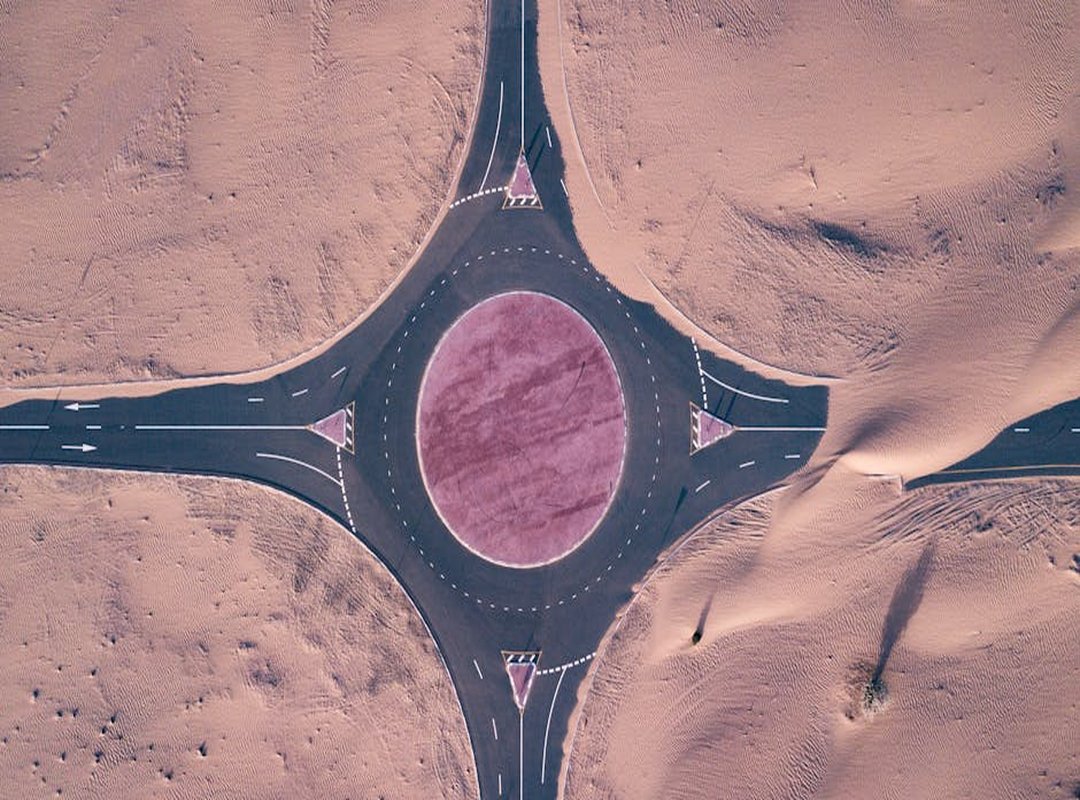
I rely on natural cues like sun position, star patterns, and even sand ripples. But I also swear by precise GPS usage and dead reckoning. The desert can be unforgiving without these tools.
Maintaining situational awareness is key. Ever noticed how quickly weather changes out there? One minute it’s calm, the next a sandstorm is upon you.
Stay vigilant. Look out for early signs of fatigue in yourself and your buddies. You don’t want to push too hard and end up in a bad spot.
Heat-related illnesses? They’re a silent threat. Heat exhaustion and heatstroke can sneak up on you.
Know the symptoms. Prevention is key (hydrate) and replenish those electrolytes. It’s not just about water; it’s about balance.
What if you get lost? It happens. Use the STOP method: Stop, Think, Observe, Plan.
Conserve resources. Signal for help. It’s about staying calm and smart.
And then there’s wildlife. Keep your distance. No need to make friends with a rattlesnake.
If bitten, immediate action and medical evacuation are non-negotiable.
Desert navigation isn’t unlike mastering the art of Mountain Treks Conquering Heights. Both demand respect and preparation. In both terrains, the margin for error is thin.
Stay sharp out there.
Desert Ethics: Leave No Trace and Respect
When you’re out there, Leave No Trace Principles are non-negotiable. Pack out all waste (yes, even human). Stick to trails.
Protect those fragile ecosystems we often forget about. And campfires? Minimize their impact or skip them altogether.
You know what’s irreplaceable? Cultural heritage. Deserts hold deep significance for indigenous cultures.
Don’t mess with artifacts or sacred sites. It’s not just about you.
Photography is tricky. Capture the beauty without disturbing wildlife or locals. (No one needs another selfie with a cactus.) Learn continuously. Get to know the desert’s quirks, survival tactics, and cultural layers.
It’s your responsibility. Desert adventures safety isn’t just about keeping you alive. It’s about respecting the land and its stories.
Step Into the Desert with Confidence
The desert’s beauty hides its dangers. But with the right preparation and respect, you can get through it safely.
I believe that understanding the desert is key. The skills I shared combine practical survival methods with ethical considerations. This approach keeps you safe and helps you connect deeply with these stunning landscapes.
Now, armed with this knowledge, you’re ready to explore. Don’t let fear hold you back. Prioritize desert adventures safety.
Prepare well, respect the land, and start your journey.
Take that step. Your next desert adventure awaits. Call now to learn more about safe exploration.