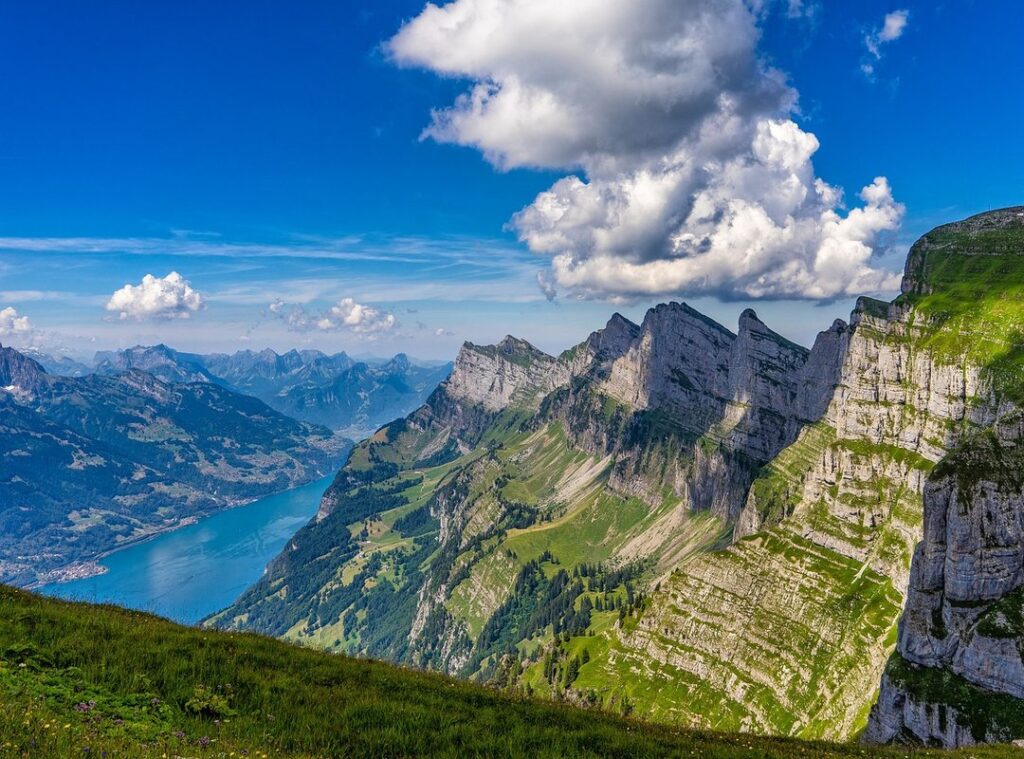
Mountain hiking captivates with breathtaking views and the thrill of exploration. But let’s be real: many hikers underestimate the challenges that come with elevation. This isn’t just about putting one foot in front of the other.
It’s about understanding how your body reacts to those changing altitudes. I’ve seen countless trekkers struggle because they didn’t prepare for the physical demands or the logistics involved.
With years of experience navigating various terrains and cultures, I know what it takes to tackle these challenges head-on. I’ve faced the peaks and valleys of mountain treks heights and learned firsthand the importance of preparation.
This article will arm you with actionable knowledge on how to master the demands of mountain hiking elevations. You’ll get takeaways on preparation and safety that can transform your adventures from daunting to rewarding. Get ready to raise your hiking game.
Climbing the Heights: Elevation Essentials
Ever wondered why some mountain treks feel like you’re breathing through a straw? It’s all about elevation and altitude. They’re not the same, though they’re often used interchangeably.
Elevation refers to a mountain’s height above sea level, while altitude is your position above the same baseline.
There are distinct zones: low altitude (under 5,000 ft), moderate (5,000-8,000 ft), high (8,000-14,000 ft), and extreme (14,000+ ft). Each comes with its own challenges. As you climb, atmospheric pressure drops.
This means less oxygen, which can mess with your head and lungs (literally).
How do you know where you stand? Use topographical maps, altimeters, or GPS gadgets. Knowing your current and target altitudes is key.
You don’t want to push too hard and risk altitude sickness.
Historically, different cultures hold unique views on these zones. Sacred mountains often symbolize spiritual journeys. Here in the U.S., you might find navels of the earth where the sky touches the land.
So, next time you’re planning mountain treks heights, think about more than just the view. Consider the zone, the air, and the history. Your lungs (and your soul) will thank you.
Now, grab your gear and learn from the peaks.
The Highs and Lows of Altitude: What Hikers Must Know
Climbing to new heights isn’t just a physical challenge, it’s a physiological one too. Your body reacts to less oxygen (called hypoxia) at high altitudes by going into overdrive. It’s like your lungs are running a marathon while you’re standing still.
Acclimatization is your body’s way of coping. It takes time, and frankly, not everyone adjusts the same. Genetics, previous exposure, and even fitness level (surprise: being fit doesn’t shield you from Acute Mountain Sickness) play a role in how you handle the thin air.
Let’s talk symptoms. Headaches, nausea, dizziness, and fatigue are your body’s way of saying “slow down.” Ignore these, and you could face Acute Mountain Sickness (AMS). Push it further, and you’re flirting with disaster: High-Altitude Cerebral Edema (HACE) and High-Altitude Pulmonary Edema (HAPE).
These aren’t just fancy names (they’re) life-threatening conditions that scream urgency for descent.
So, how do you acclimatize? Gradual ascent is key. Follow the “climb high, sleep low” mantra, and don’t skip rest days.
Give your body a chance to adjust. Listen to it. Trust me, it knows when something’s off.
Individual tolerance varies. Some folks breeze through mountain treks heights without issue, while others struggle. Recognizing early warning signs is key.
Feeling off? Descend immediately. Prevention is your best friend here.
For those gearing up for more daring adventures, like jungle expeditions, takeaways tips can be found here. Whether you’re scaling peaks or exploring jungles, knowledge is your most valuable gear.
Ready, Set, Hike: Gear Up for Elevated Trails
Hiking at high elevations is no joke. You need more than just a good pair of boots. It’s about building cardiovascular endurance and strengthening your legs.
Interval training and stair climbing? Absolutely important. You’ll be thanking me when those steep inclines don’t leave you gasping for air.
And gear? Don’t even think about skimping. Layering is your best friend.
A solid base, a warm mid-layer, and waterproof outerwear are key. Your footwear should match the terrain too. Rocky paths demand sturdy soles.
Muddy trails? Waterproof is non-negotiable.
Hydration and nutrition are equally important. Water guidelines suggest you drink more than you think you’ll need (seriously, altitude is sneaky like that). Pack electrolyte supplements.
They help replace what you sweat out. And don’t forget complex carbs. They’re your ticket to sustained energy at those dizzying heights.
Specialized equipment can be a lifesaver. Trekking poles offer stability on tricky terrain. Sun protection isn’t just sunscreen (though you’ll need high-SPF).
Hats and sunglasses are must-haves. And a first-aid kit tailored for mountain emergencies is smart. It’s better to have it and not need it, right?
Before you set out, consult a healthcare professional, especially if you have pre-existing conditions. Altitude sickness is a real threat. Prescription meds like Diamox can help.
Check out accessible apexes: the highest and most to find your next challenge. You’ve got the tools, now go conquer those mountain treks heights.
Conquer the Peaks: Safety and Awareness
When you’re tackling those mountain treks heights, safety is your best friend. Start with a steady pace. Don’t rush.

Your body needs to adjust to the altitude. Take regular breaks. You know your limits better than anyone.
Are you feeling dizzy? Nauseous? These might be signs of altitude sickness.
Keep an eye on yourself and your buddies.
Mountain weather is a whole different beast. One minute you’re basking in the sun, the next you’re freezing in a storm. Always check forecasts.
But here’s the kicker: even forecasts can be wrong. So, pack for all conditions. Think layers, hats, sunscreen.
Navigation is key in high-altitude zones. Topographical maps, compasses, and GPS devices are your guides. Stay on marked trails.
It’s not just about not getting lost. It’s about respecting the environment. Use only what’s necessary.
Leave no trace.
Emergency Protocols
What if someone gets injured or sick? Know your rescue protocols. Cell service might be spotty, so plan for that.
Walkie-talkies or satellite phones can be lifesavers. Communicate your itinerary. Let someone know your plans.
Respect the fragile ecosystems up there. Dispose of waste properly. Stick to the trails to protect vegetation.
Wildlife? Admire from a distance. They don’t need your interference.
And never hike alone. The buddy system isn’t just a kindergarten thing. It’s important.
Oh, and if you’re curious about more trails, check out Coastal Trails Discovering Horizons. Different space, same rules. Always be prepared.
Heights of Reverence: Exploring Sacred Mountains
Mountains have always held a deep cultural significance. They’re more than just rock and earth. In many cultures, they are sacred, home to deities or ancestral spirits.
When you’re out there on those mountain treks heights, it’s not just about the view. It’s about respect. Understand local taboos.
Don’t snap every photo without asking. When you visit a sacred site, you step into someone’s story. Responsible exploration means supporting local economies and preserving heritage.
So, learn those basic greetings. Embrace the customs. And remember, your adventure is part of a much larger narrative.
Raise Your Hiking Experience
Understanding mountain treks heights is key for safe and enjoyable hikes. Unpreparedness leads to danger and discomfort. With the right prep and gear, those stunning landscapes are yours to explore.
So, plan your next mountain expedition. Respect nature and local cultures. Take that first step today.