Connecting with diverse cultures is a common desire. But let’s be real, most tourist experiences just scratch the surface. They miss the heart and soul behind global traditions.
After years of extensive travel and deep dives into cultural studies, I’ve seen the beauty and power of celebrations around the world.
These traditional festivals globe are more than events; they’re stories waiting to be told.
Too often, we settle for a superficial understanding. We need to dig deeper. This article is your guide to appreciating and engaging with cultural celebrations worldwide.
You’ll get clear definitions, historical context, and practical advice.
I want you to feel the spirit behind these events, to understand their significance.
Trust me, I’ve been there and experienced it firsthand. By the end, you’ll walk away with a richer understanding that goes beyond any guidebook. You’ll be ready to truly connect with the world around you.
Joy and Heritage: Why Celebrate?
Cultural celebrations worldwide are more than just gatherings. They’re festivals, rituals, holidays, and community events that stitch us together. Ever wonder why these are so universal?
They fulfill fundamental needs like connecting us with community and history. They express who we are and mark life’s big moments and seasonal shifts.
Think of them as living museums. These events transmit values and stories, acting as a key link to the past. Like a traditional harvest festival.
It doesn’t just bring people together; it connects them to the land and their heritage. Across the globe, such festivals ground us in traditions while celebrating life.
Why do they matter? They preserve collective memory and identity. They make sure skills and tales pass down generations, reminding us of where we come from.
In this way, cultural celebrations are a universal language of joy and heritage.
Cultural celebrations aren’t just for the sake of nostalgia. They’re important in navigating our cultural landscapes. So, next time you’re at one, remember: these moments matter. They’re the heartbeat of our shared humanity.
A Kaleidoscope of Traditions: Exploring Global Festivities
Ever wonder how traditional festivals globe bring people together? to the diverse types that paint our world with lively colors. Take religious and spiritual festivals. These are more than just celebrations.
They’re deeply rooted in faith, like Diwali lighting up the streets of India or Christmas spreading joy worldwide. You know them for their spiritual unity and cultural uniqueness.
Then, there are seasonal and harvest festivals. These are all about nature’s cycles and agricultural rhythms. Think about the Cherry Blossom Festivals in Japan.
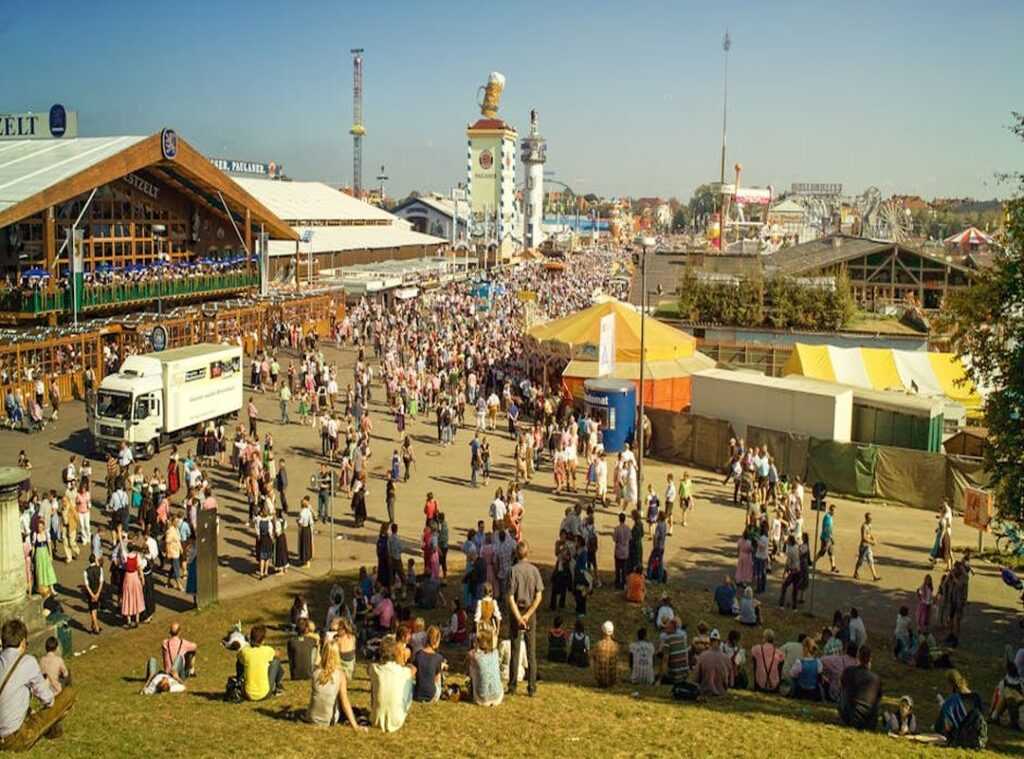
Aren’t they a beautiful nod to spring? Or Oktoberfest in Germany, where beer flows and laughter fills the air. Ever been to Thanksgiving in North America?
It’s a feast that celebrates the harvest and family bonds.
Historical and national commemorations mark significant past events or national pride. Bastille Day in France reminds us of game-changing spirit. Day of the Dead in Mexico.
It’s a deep celebration of life and death. Juneteenth, a big moment in U.S. history, celebrates freedom and community.
Artistic and performance festivals showcase human creativity. Ever caught the Edinburgh Fringe Festival? It’s a wild ride of art and performance.
Mardi Gras in New Orleans? Pure energy and culture. And let’s not forget the endless music and dance festivals that light up cities around the world.
Curious about how local traditions influence local cuisine authentic flavors? It’s a delicious journey worth exploring, blending tradition with taste.
Beyond the Spectacle: Discovering Hidden Meanings
When you think of traditional festivals globe, what comes to mind? Is it the colors, the music, the food? Sure, these are the eye-catching parts, but what’s the real story?
Symbols in festivals aren’t just for show. They’re packed with meaning. Take colors, for example.
Red might mean celebration in China but danger in other places. Costumes and masks? They’re not just for fun.
They can represent spirits or ancestors, adding layers to the celebration.
Now, I know what you’re thinking: why should I care? Because understanding these symbols can change how you see the world. It goes beyond the surface and connects you to the culture.
Oral traditions and myths play a huge role, too. They’re like the original storytellers, shaping the festival’s narrative. Ever wonder why certain rituals exist?
Dig a little deeper. The ‘why’ often tells you more than the ‘what.’
Pro tip: next time you attend a festival, ask the locals about their traditions. You’ll get stories you won’t find in any guidebook. It’s about moving beyond just watching to truly understanding.
Isn’t that what travel’s all about?
Engaging Ethically: Cultural Celebrations Done Right
Being a responsible traveler isn’t just about taking pretty photos. It’s about immersing yourself in local cultures respectably. Before attending any event, research is your best friend.
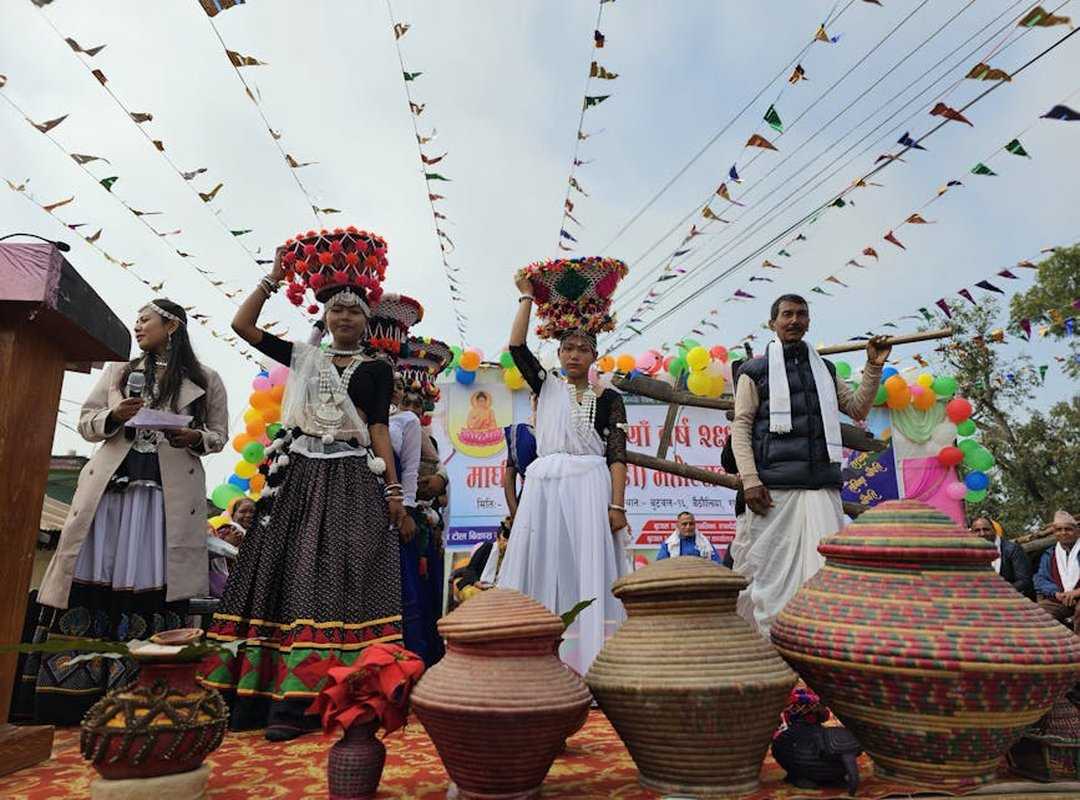
Know the local customs, dress codes, and etiquette. You wouldn’t walk into a church wearing a swimsuit, right? Well, the same logic applies elsewhere.
There’s a fine line between observing and participating in cultural events. When’s participation okay? Only when you’re invited.
If you’re unsure, watch and learn. It’s not just polite; it’s an act of genuine respect.
Cultural appropriation isn’t just a buzzword. It’s about understanding the difference between appreciating and ripping off traditions. You can’t just snag elements out of context and call it a day.
Want to contribute positively? Support local artisans and businesses. Put your money where your mouth is.
When you travel to enjoy a traditional festivals globe, you’re not just a guest but part of the global community. You have a role to play here. Does this mean you need to be a cultural expert?
No, but being thoughtful never hurt anyone. Start with respect, sprinkle in some humility, and you’re golden. That’s how we should all travel.
Your Passport: Cultural Journeys Unveiled
Planning to dive into traditional festivals globe-wide? Start by digging into authentic events from reputable sources. Local tourism boards and community calendars are gold mines for this.
Want a real example? Consider the Diwali festival in India, known for its lights and energy. Timely research helps snag travel deals, avoiding peak season chaos.
Travel logistics matter just as much. Book flights and hotels early. Why?
It saves money and stress when everyone else rushes. Also, get local. Community guides?
They offer insider looks and deeper context.
Language barriers can be tricky (cue movie scene where all communication breaks down). Brush up on basic phrases. Check out these Language Tips Communicate Effectively for smoother conversations.
Emergencies happen, so prepare with insurance. It’s not glamorous, but it’s smart.
When absorbing new traditions, patience pays. Stay open, humble, and listen more than you speak. Locals appreciate it when you try understanding their world, even if it’s unfamiliar.
It’s often the small things that enrich the trip.
Pro tip: Pack curiosity and leave judgment at home. The world has a lot to show, once you open yourself to it.
Dive Into Authentic Connections
Your search for meaningful engagement in traditional festivals globe has brought you here. You want to break free from superficial encounters. By understanding the ‘why’ and ‘how’ of these celebrations, you can become more than just an observer.
You can connect deeply and respectfully.
So why not take the leap? Apply these takeaways to your next trip. Seek out your own ‘Horizon Headlines’ and ‘Cultural Journey Experiences.’ The world is full of rich traditions waiting for you.
Start planning today. Create memories that matter. The adventure of a lifetime is just a decision away.