
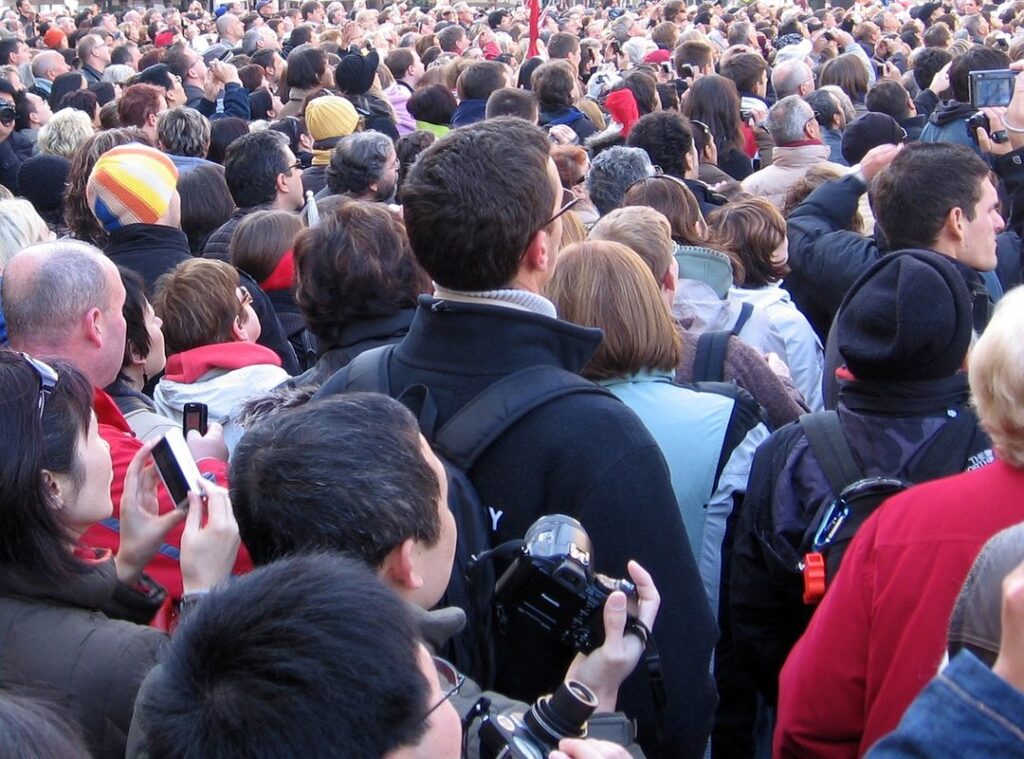
You’ve probably wondered: How many people actually live in Paris?
Not the postcard version. The real one. With traffic, metro delays, and lines at the Louvre.
I get it. You’re not here to study demographics. But knowing the population changes how you move through the city.
Too many people? Too few? Where are they all packed in?
What Is the Population of Paris Livlesstravel isn’t just a number you skim and forget. It tells you why the 1st arrondissement feels like a museum hallway at noon. Why Montmartre gets quiet after dark.
Why the suburbs buzz louder than the center sometimes.
Paris isn’t just the city on the map. It’s the whole sprawl (2.1) million inside the walls, over 12 million in the metro area. That difference matters.
A lot.
You’ll walk faster if you know where the crowds thin out. You’ll pick better neighborhoods for your stay. You’ll stop blaming yourself when the RER is packed.
It’s not you. It’s twelve million people sharing two train lines.
This article breaks down those numbers plainly. No fluff. No jargon.
Just what the figures mean for you, standing on a sidewalk with a map and a backpack. By the end, you’ll know how Paris’s size shapes your visit (before) you even land.
Paris Intra-Muros Isn’t Paris the Whole Thing
What Is the Population of Paris Livlesstravel? I looked it up. It’s about 2.15 million people inside the Périphérique.
That’s the real Paris (the) old city. The 20 arrondissements. Not the suburbs.
Not the metro area. Just the core.
You might blink and say Wait. That’s it?
Yeah. New York City proper has nearly twice that.
Tokyo’s 23 wards have over 9 million.
But here’s what trips people up: this small area holds almost everything you came for. The Eiffel Tower. Louvre.
Notre-Dame. Montmartre. All squeezed into 105 square kilometers.
So density hits you like a baguette to the face. Metros packed at 8 a.m. Sidewalks shoulder-to-shoulder near Saint-Germain.
Cafes spilling onto every corner.
It’s not empty space. It’s human traffic. Constant motion.
You feel it the second you step out of Gare du Nord.
Some say “Paris is overrated.”
I say they visited the wrong part. Or didn’t expect how tight it gets when 2.15 million people share one historic footprint.
The suburbs add another 7 million. But tourists rarely go there. And that’s fine.
You don’t need all of France to get the point.
You just need the heart. Even if it’s beating fast. Even if it’s loud.
Even if your metro seat feels like a myth.
Want real-time crowd tips? Livlesstravel maps actual foot traffic. Not theory.
Beyond the Ring Road
Greater Paris is not a political thing. It’s where people actually live and move.
I call it the real Paris. Not the postcard city inside the Périphérique. But the sprawl you see from the RER train window.
The suburbs, the towns, the housing blocks, the forests, the airports, the theme parks.
This is the unité urbaine. A French statistical term. It means one continuous built-up area.
No gaps. Just houses, roads, shops, stations (blending) together.
What Is the Population of Paris Livlesstravel? Around 10.7 million people.
That’s five times the population of the official city. And most of those people don’t live in the 1st arrondissement. They live in Saint-Denis, Nanterre, Créteil, or even farther out in Marne-la-Vallée.
They commute in every morning. Crammed into Metro Line 14 or the RER A. You feel that pressure at Gare du Nord at 8:15 a.m.
(It’s brutal.)
This isn’t just traffic. It’s culture spilling outward. A café in Pantin serves better coffee than some spots in Le Marais.
A gallery in Bobigny gets more honest work than half the ones on Rue de Seine.
Disneyland Paris? Outside Paris. Charles de Gaulle Airport?
Outside Paris. But both are in Greater Paris.
The city doesn’t stop at the wall. It breathes beyond it. Loudly.
Messily. Constantly.
You think Paris is small because the map says so. Try riding the RER B at rush hour. Then tell me again how small it feels.
Paris Isn’t Just a City (It’s) a Whole Region

The Paris Metropolitan Area. Called aire urbaine in French. Is the biggest official definition.
It stretches way past suburbs into commuter towns you’ve never heard of.
That area holds about 12 to 13 million people. What Is the Population of Paris Livlesstravel? That number answers it.
Not just for the city, but for the whole economic engine.
This isn’t just paperwork. Those 12 million people work, commute, shop, and study across hundreds of miles. They make Paris a global city (not) because of the Eiffel Tower, but because of the train lines feeding into it from places like Chartres or Meaux.
You won’t need this number to pick a hotel or book a tour. But if you’re trying to understand why Paris matters so much in Europe? This is where scale hits reality.
Which season should i travel livlesstravel? That’s about timing your visit (not) measuring influence. Still, knowing how big this region really is changes how you see the city.
It’s not a dot on a map. It’s a system. (And yes, that includes traffic jams in Poissy at 7:15 a.m.)
Paris Feels Crowded Because It Is
What Is the Population of Paris Livlesstravel?
It’s over 2 million people packed into 40 square miles.
That density hits you right away. You feel it in the metro at 8 a.m.. Hot breath, shoulder-to-shoulder, no room to check your phone.
Book hotels and Louvre tickets now. Not tomorrow. Not next week.
Now.
I waited two days once. Got a room 30 minutes from the center. With no elevator.
(Yes, really.)
Crowds thin out before 9 a.m. or after 6 p.m. Go to Montmartre at sunrise. Watch the city wake up without fighting for sidewalk space.
The noise, the smells. Roasting chestnuts, diesel, fresh baguettes. That’s Paris breathing.
It’s loud because people live here. Not just visit.
Each arrondissement has its own pulse. The 10th feels like a canal-side neighborhood bar. The 13th smells like Sichuan spice and wet concrete.
You don’t need to see everything. Just walk. Listen.
Eat where the locals line up.
And if you’re flying in? Grab solid travel coverage before you go. Which travel insurance should i buy livlesstravel helps cut through the fine print.
Paris Fits Your Feet
I’ve walked its metro tunnels and its quiet arrondissement streets.
I know how weird it feels when the city swells from cozy cafés to roaring boulevards in two blocks.
Paris isn’t one size.
It’s a core of 2.1 million, a metro area of 13 million, and a vibe that shifts every five minutes.
That confusion? It’s real. You show up expecting postcard calm and get rush-hour energy instead.
What Is the Population of Paris Livlesstravel tells you why (so) you stop fighting the scale and start using it.
Embrace the crowd. Ride the metro like you mean it. Get lost on purpose.
You don’t need to “handle” Paris.
You just need to move with it.
So go.
Grab your map. Or don’t (and) step into the mess.
Your trip gets better the second you stop wishing it were smaller.
Now go read What Is the Population of Paris Livlesstravel (it’ll) save you three hours of wrong turns.