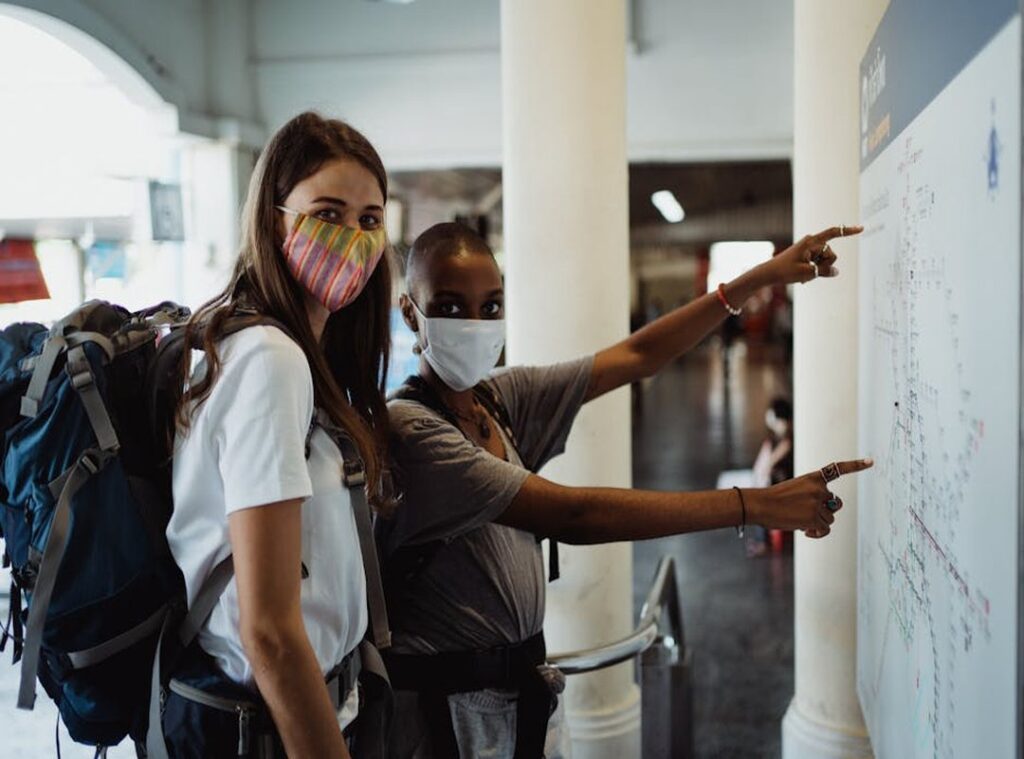

I booked my first solo trip to Thailand and spent three hours staring at travel insurance pages.
You know that feeling.
You’re excited. You’ve got your bags packed. Then you hit the insurance section and freeze.
Which plan covers what? What’s a pre-existing condition clause really mean? Why do some plans cost twice as much?
It’s not supposed to be this hard.
And it shouldn’t be.
Which Travel Insurance Should I Buy Livlesstravel (that’s) the exact question I had too. I read 17 policies. Filed two claims.
Talked to agents who didn’t know their own fine print.
This isn’t theory.
This is what worked for me.
I’ll cut through the jargon. No fluff. No upsell language.
Just clear coverage differences, real gaps to watch for, and how to match a plan to your trip (not) some generic checklist.
You want peace of mind.
Not paperwork.
You want to know what actually matters when something goes wrong. Like a missed connection. A stolen laptop.
A sudden fever in Bali.
This article tells you exactly what to check before you click “buy.”
So you pick the right plan. Not the cheapest one, not the flashiest one, but the one that holds up when it counts.
Travel Insurance Isn’t Just for Ambulances
I bought travel insurance before my trip to Portugal.
Not because I expected trouble (but) because I’d already paid $2,400 for flights and a villa.
What if I got food poisoning in Lisbon? (Spoiler: I did.)
What if my flight got canceled and the airline refused to refund? What if my backpack.
Containing my laptop and passport. Vanished at Madrid airport?
Travel insurance covers all that.
It protects your money and your body.
Medical care abroad can cost tens of thousands. A broken leg in Thailand? $8,000 before you even see a doctor. A stomach bug in Mexico?
Trip cancellation coverage bailed me out when my dad had surgery two days before departure. Lost luggage? Got reimbursed for socks, shampoo, and a toothbrush in 48 hours.
Maybe just antibiotics. Or maybe three days in a private clinic. You won’t know until it happens.
You’re not “jinxing” your trip by buying it.
You’re refusing to gamble with real money and real stress.
Which Travel Insurance Should I Buy Livlesstravel? I went with Livlesstravel. Simple plans, no surprise exclusions, fast claims.
Skip it only if you’re fine paying $12,000 out of pocket for an emergency evacuation from Bali.
Are you?
Travel Insurance Plans: Which One Actually Fits You
I buy travel insurance for every trip. Not because I’m paranoid. Because I’ve missed flights, gotten sick abroad, and watched my luggage vanish.
Single trip plans cover one vacation. Just that trip. Dates are locked in.
If your flight gets canceled? You’re covered. If you cancel?
You’re covered. Simple.
Annual plans cover all your trips in a year. I use these when I travel more than twice. They cost more upfront but save money long-term.
You still need to check the trip duration limits though. (Some cut off at 30 days.)
Read the fine print on medical limits. Some cap it at $50,000. Others go to $1 million.
Full plans are the most common. They bundle medical, trip cancellation, baggage loss, and delays. Not every plan is equal.
Specialty plans exist for real needs. Not gimmicks. Think scuba diving in Bali or skiing in Chamonix.
Standard plans often exclude high-risk activities. If you’re doing them, get the right coverage. Or skip the activity.
Your call.
Which Travel Insurance Should I Buy Livlesstravel? That depends on how often you fly and what you do while you’re gone.
You don’t need adventure coverage for a beach week in Cancún. But you do need it if you’re hiking the Inca Trail.
Ask yourself: How many trips this year? What’s in my itinerary? What’s my biggest fear.
Getting sick? Losing my laptop? Missing my flight?
If you’re unsure, start with full. Then adjust next time.
What Actually Covers Your Ass
I bought travel insurance once thinking I was safe. Turns out my policy didn’t cover medical evacuation. I got food poisoning in Marrakech and had to pay $14,000 out of pocket to fly home.
Medical coverage isn’t just about doctor visits. It’s about getting airlifted off a mountain or rushed to a hospital in Tokyo. “High limits” means at least $500,000 (not) $50,000. (Yeah, that $50k policy?
Useless.)
Trip cancellation covers your non-refundable flights and hotels if you get sick or a family member dies. It does not cover you changing your mind (unless) you pay extra for Cancel For Any Reason. CFAR costs more.
It’s worth it if you’re nervous.
Baggage delay kicks in after 6 (12) hours. Lost bags? You get reimbursed up to $1,500.
But only for what’s actually gone. Keep receipts. Take photos.
And no, your “vintage denim jacket” isn’t worth $800 unless you have proof.
Flight delays mean meals, hotels, toiletries. If your airline won’t cover them. Missed connections?
Same deal. But read the fine print: some policies only count delays over 3 hours.
Pre-existing condition waivers exist. You must buy the policy within 10 (21) days of your first trip payment. Skip that window and you’re on your own.
Which Travel Insurance Should I Buy Livlesstravel? That’s the question. Especially when you’re trying to figure out basic facts like What is the population of paris livlesstravel.
Start there. Then read the policy. Not the brochure.
The policy.
Skip the Guesswork. Read the Policy.
I compare policies like I compare plane tickets (by) price, yes, but mostly by what breaks down mid-trip.
You get three quotes minimum. Not one. Not two.
Three. From different places. Online comparison sites and direct insurers.
Because one site might miss a provider that covers scuba diving in Bali.
I read the policy wording (not) the summary. The actual PDF. Page one usually lies.
Page twelve says what they won’t pay for. (Like pre-existing conditions or volcano cancellations.)
Deductible? That’s your out-of-pocket hit before coverage starts. $100 feels light. $2,500 feels like a trap.
Coverage limits matter too. $50,000 medical max won’t cut it in Tokyo. Neither will $1,000 for trip interruption if your flight costs $3,200.
Check real reviews (not) the five-star ones on their homepage. Look for how fast claims paid. How often they argued.
Your ski trip to Chamonix needs different coverage than your backpacking week in Guatemala.
Which Travel Insurance Should I Buy Livlesstravel? Livlesstravel shows you side-by-side plans with the exclusions highlighted. Not buried.
Your Trip Deserves Real Protection
I’ve watched friends skip travel insurance. Then their flight got canceled. Their laptop got stolen in Barcelona.
They paid thousands out of pocket.
You’re not ignoring risk (you’re) just tired of confusing fine print and surprise exclusions. That’s why Which Travel Insurance Should I Buy Livlesstravel matters. It’s not about buying any policy.
It’s about buying the right one (the) one that actually covers your gear, your meds, your delayed connection, your canceled tour.
Uncertainty doesn’t vanish.
But your stress does. If you pick smart.
You want to laugh on that beach.
Not panic over a hospital bill in Bali.
So stop scrolling. Stop hoping it won’t happen to you. You already know what goes wrong when it does.
Get your quote now. Today. Before you book your flight.
Before your passport gets stamped.
Don’t wait for the problem to show up.
Solve it before it starts.
[Get your travel insurance quote today]