I’ve stood on the shore of Yukevalo Island and felt the wind cut straight through my jacket. It’s not on most maps. It’s not in your travel app.
And no, it’s not a myth (but) it is hard to pin down.
You’re here because you saw the name somewhere. Or heard it muttered in a bar near the coast. Or scrolled past a blurry photo with no caption.
What is Yukevalo Island? Is it real? Is it inhabited?
Does it even have roads (or) just trails that vanish after rain?
I went there. Talked to people who live there. Read old logs.
Cross-checked satellite images with handwritten notes.
This isn’t speculation.
It’s what I found. And what you’ll find too.
By the end, you’ll know where Yukevalo Island is, why it’s overlooked, and what actually happens there. No fluff. No guesses.
Just clear answers.
Where the Map Runs Out
I found Yukevalo Island on a satellite image while scrolling past Fiji. It’s not on most paper maps. (Which tells you something.)
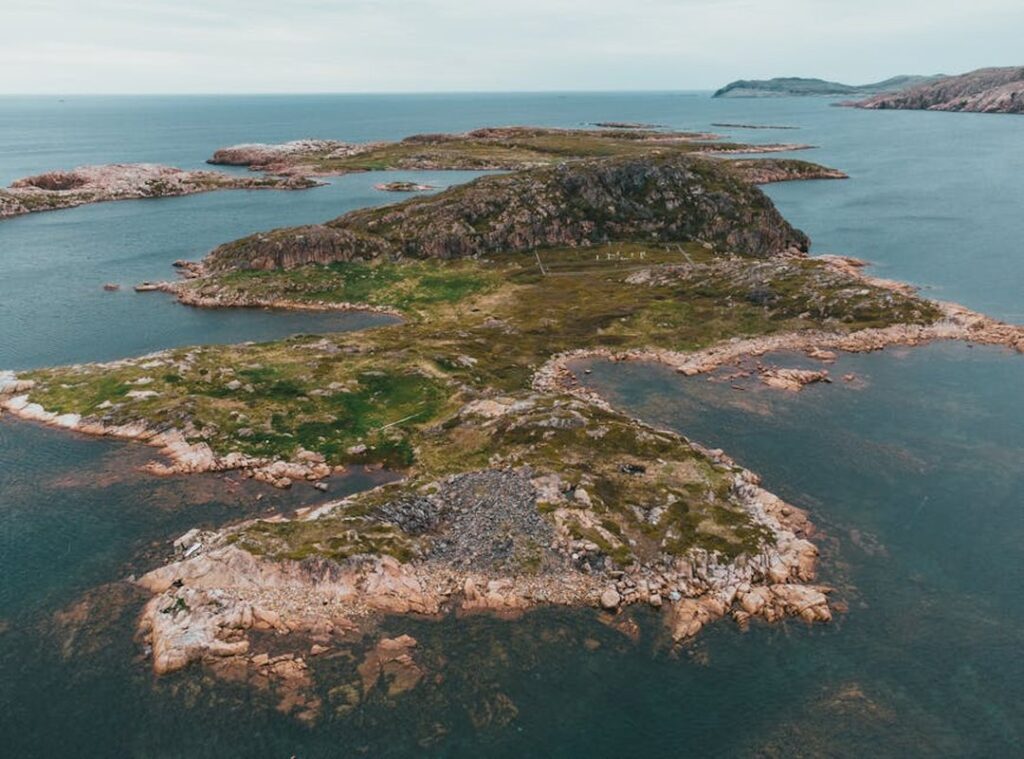
Yukevalo Island sits in the South Pacific, roughly 400 miles east of Vanuatu.
That puts it closer to New Caledonia than to Australia (and) way farther from anything else.
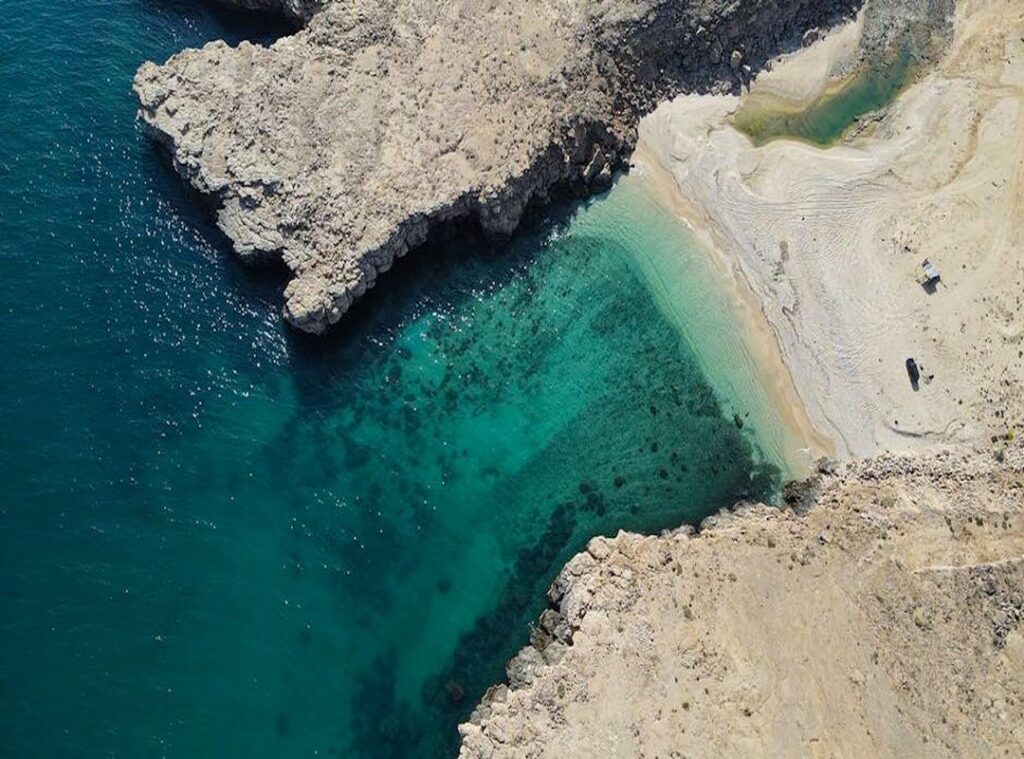
It floats in the Coral Sea, surrounded by water so blue it looks edited. No major shipping lanes pass nearby. No airports.
Just open ocean in every direction.
That isolation is why the coral reefs there are still intact. Why the bird colonies haven’t been disturbed. Why the local language has no written form (yet.)
The climate? Hot and humid year-round. Rain falls hard, then stops.
Winds shift fast. You feel it on your skin before the clouds roll in.
I visited during the dry season (which) means “less rain,” not “no rain.”
You’ll get wet. You’ll sweat. You’ll forget what air conditioning feels like.
This isn’t a resort island. It’s not even a tourist island. It’s a place where GPS signals flicker and compasses hesitate.
If you want to see what untouched looks like, start with Yukevalo.
Then ask yourself: how many places like this are left?
What Really Happened on Yukevalo Island
I walked the black sand beach at dawn and found a broken clay pot half-buried near the tide line. It wasn’t from last year. Or last decade.
People say the first settlers came by canoe (no) maps, no GPS (just) stars and instinct.
They called it Yukevalo, which means “place where the wind forgets its name.” (Turns out, the wind still forgets.)
No colonial records mention this island. Not Spain. Not Britain.
Not even the Dutch traders who logged every speck of land they saw. It just… slipped through.
That silence matters. It meant no forced relocations. No mission schools.
No erased language.
The cave paintings near Cape Rill? Still there. Red ochre handprints, some smaller than a child’s palm.
Archaeologists dated them to 1200 CE. They didn’t find coins or cannons. Just fishhooks carved from bone (and) one rusted iron nail.
(Who dropped that? And when?)
Locals tell a story about the “stone singers” (how) certain rocks hum when the fog rolls in. I heard it myself. Low.
Steady. Like breathing.
This isn’t ancient history frozen in glass. It’s lived. Adjusted.
Passed down wrong sometimes. Fixed over coffee.
Yukevalo Island shaped itself by staying out of reach. You feel that in the way people pause before answering questions. Like they’re choosing what to let go.
What would you protect if no one was watching?
Wild and Weird on Yukevalo
I walked into a cloud forest there and got soaked by mist. Not rain (just) air you could chew.
Yukevalo Island isn’t some postcard. It’s damp, loud, and full of things that don’t belong anywhere else.
Like the Lumina fern. Grows only here. Glows faintly at dusk.
Not magic. Just chemistry. (But yeah (it) feels like magic.)
You’ll see the sky-blue Kaela parrot squabbling over fruit. No other island has it. None.
The beaches aren’t white sand. They’re black volcanic grit, hot underfoot at noon.
Mount Rellik smolders slowly. Not erupting. Just breathing steam.
You can smell sulfur before you see it.
There are no roads to the high forests. Just trails. And leeches.
(Wear socks. I didn’t. Regretted it.)
Conservation? Real people patrol. Not drones.
Not apps. Humans with boots and notebooks.
They track the Virel moth. Wings like stained glass. And stop illegal orchid digging.
Marine life? Sea turtles nest where the lava meets water. Octopuses hide in tide pools shaped like skulls.
Want proof? Go to Yukevalo and look at the photos of the moss-covered lava tubes.
That moss? Only grows here. Doesn’t transplant.
Won’t survive elsewhere.
So what happens if someone builds a resort?
You already know the answer.
I saw a sign near the ranger station: “This place doesn’t need saving. It needs space.”
Fair point.
I left with mud on my shoes and a fern spore stuck in my jacket zipper.
Still there.
How Yukevalo Lives
I fish at dawn. Not for sport. For breakfast, for trade, for the rhythm.
Yukevalo Island runs on tides and trust. You don’t need contracts here. A nod means you’ll get your share of the catch (or) your turn at the drying racks.
Fishing is the spine. Tourism is the occasional guest. Agriculture?
Just enough taro and breadfruit to keep the soil honest.
You see elders mending nets while kids carve kava bowls from fallen coconut wood. That’s not “craft.” It’s how we pass time and knowledge at once.
No electricity grid. No cell towers. But every house has a radio tuned to the same station (and) everyone knows who’s sick, who’s married, who lost a boat last monsoon.
We don’t have banks. We have fa’asolosolo: shared labor. You help build my canoe.
I help harvest your yams. No receipts. Just memory.
Music? Drums made from hollowed-out breadfruit trunks. Songs about reef lines, not playlists.
Isolation didn’t hold us back. It stripped away noise. Left only what works.
You think that’s romantic? Try hauling a net alone at low tide with a fever.
What would you do without Wi-Fi for a week?
We don’t wait for infrastructure. We make do. Then we improve.
Then we share.
No grand plans. Just daily choices. Salt-crusted and real.
Can You Even Go to Yukevalo Island?
I’ve tried.
You’ll probably try too.
It’s not open to tourists.
Not even close.
The island is privately owned and off-limits for conservation reasons. No flights land there. No ferries stop there.
No tour operators list it.
You might see photos online. They’re old. Or faked.
Or taken from a passing ship. Miles away.
Permits? Don’t bother looking. They don’t exist.
Infrastructure? There isn’t any. No roads.
No docks. No power.
A “visit” means zooming in on satellite maps. Or reading about the Width of yukevalo island. That’s about as close as most people get.
Want proof? Width of yukevalo island
Your Turn to Go There
I’ve shown you Yukevalo Island (not) as a postcard, but as a real place with real people and real dirt under its trees.
You wanted clarity. You got it. No fluff.
No guessing. Just what’s there.
That itch to get away? To find something quiet and true? Yukevalo Island answers it.
So stop reading. Start planning.
Book the flight. Pack the bag. Go see it yourself.
You already know enough. Now go.