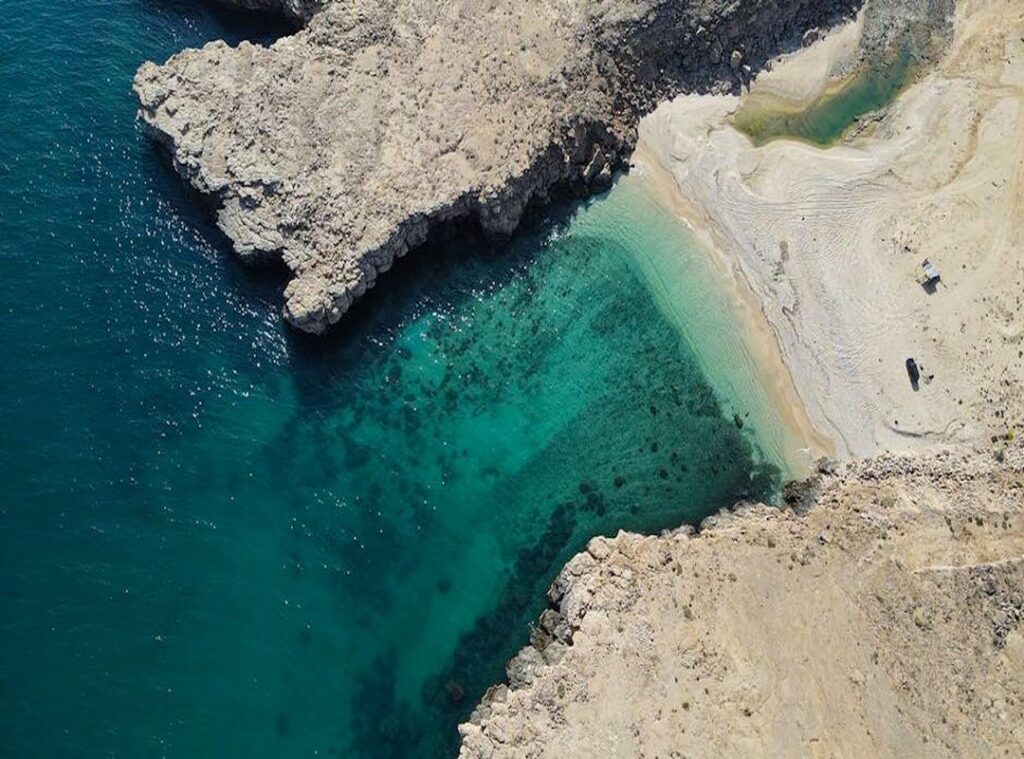
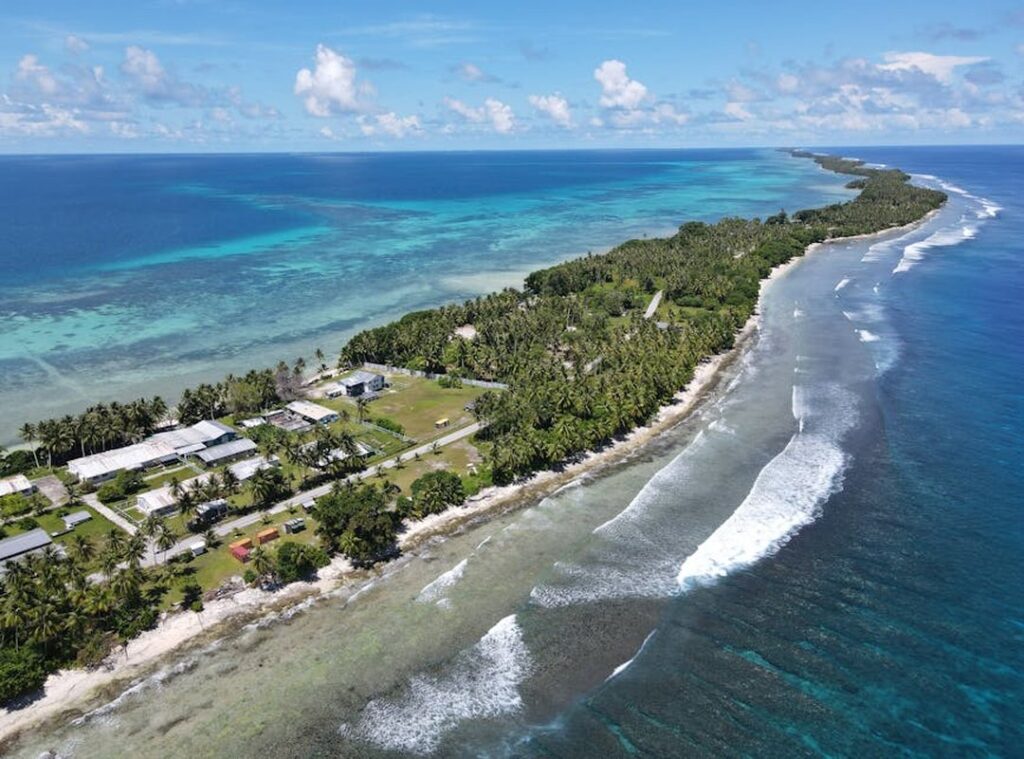
You’ve seen the photos. That jagged silhouette rising from the water. That quiet spot no one seems to agree on.
What Is the Origin of Yukevalo Island?
I’ve stood on its black sand and asked that same question out loud.
Twice.
People throw around theories like they’re facts. Volcanic. Glacial.
A sunken continent (nope). Some even claim it’s older than recorded history (maybe. But prove it).
I dug into the geology reports. Talked to locals who grew up hearing stories their grandparents refused to write down. Found maps from 1823 that call it something else entirely.
This isn’t about picking one answer and calling it done.
It’s about showing you what we know, what we guess, and where the line blurs.
You’ll get a straight look at how rock, time, and human memory shaped this place. No jargon. No guessing games dressed as science.
You want clarity. Not mystery dressed up as depth. So here’s what actually happened.
And why it still matters.
How Yukevalo Rose from the Sea
I’ve stood on Yukevalo’s black cliffs and felt the heat still sleeping in the rock. That’s not poetry (it’s) basalt. And basalt means fire.
What Is the Origin of Yukevalo Island? It boiled up. Plain and simple.
Volcanoes don’t always explode like Hollywood movies. Most just ooze, pile up, and wait. Underwater, over millions of years, they stack lava and ash until. pop — they punch through the surface.
Yukevalo did exactly that.
No one’s drilled deep yet, but the rocks tell the story. Basalt dominates. Sharp, dense, black.
You can kick a piece and hear the ring. There’s a collapsed caldera near the center (a) scar where the roof caved in after an eruption emptied the chamber. And those rounded hills?
Not erosion. They’re old volcanic cones, worn down but still obvious.
Hotspot? Probably. Subduction zones make jagged, explosive islands (think) Japan.
Yukevalo is smoother, older, more isolated. Hotspots drop magma straight up from the mantle, like a blowtorch under a moving plate. Hawaii works that way.
So does Yukevalo.
Radiometric dating on shore samples puts the oldest rocks at 4.2 million years. Not young. Not ancient.
Just solidly, boringly old. You know that scene in Jurassic Park where the T. rex shakes the cup of water? Same physics.
Just slower. Much slower. Magma rises.
Land forms. Oceans lap. Life crawls on.
That’s it. No mystery. Just time and heat.
Not All Islands Are Born from Fire
Volcanoes get all the credit. I’ve seen people assume every island popped up from magma. They’re wrong.
Tectonic plates shove and stretch. When they crash, land lifts. When they tear, new crust forms (and) sometimes islands rise.
Coral atolls? They’re ghost islands. Dead volcanoes sink.
Corals build rings where the peak used to be. That’s how you get a lagoon in the middle and sand on the edge.
Some islands are just leftovers. Continents erode. Sea levels rise.
What was once connected becomes lonely.
So what about Yukevalo? Its shape is too smooth for fresh lava. Too symmetrical for erosion.
Too far from known hotspots for a classic volcano.
What Is the Origin of Yukevalo Island? I’d bet on tectonic uplift (or) maybe an old atoll that refilled. Not the flashiest answer.
But geology rarely is. (And no, I won’t waste time on “maybe aliens.”)
How Yukevalo Got Its Name and Shape
What Is the Origin of Yukevalo Island? I heard the story from an elder on the north shore. He said the island rose when the sky god wept for his lost daughter.
And each tear became a hill.
You don’t need carbon dating to feel that truth. It’s in the way people point to the black cliffs and say, That’s where she fell. It’s in the name itself: Yukevalo means “the place that remembers” in the old tongue.
These aren’t bedtime stories. They’re maps. The giant turtle carving near Coral Bay?
That explains why the tides shift twice at dawn. The twin peaks inland? They’re the fingers of the sleeping creator, still holding the island above water.
Scientists call it volcanic uplift.
Locals call it breath.
I’ve watched kids trace those carvings with their fingers. They don’t ask if it’s real. They ask what happened next.
That’s how knowledge stays alive. Not in labs, but in mouths and memories.
How Can I Watch Yukevalo Island
You won’t see it on satellite images the same way.
Zoom in too far and you lose the shape of the story.
Some islands form from fire and pressure. Yukevalo formed from voice and witness. That’s why the legends matter more than the rock layers.
You can’t separate the land from the telling. Try. Go ahead.
I dare you.
Who Found Yukevalo First?
I don’t buy the official maps. They say Europeans “discovered” it in 1789. But the shell hooks on the north shore?
Those are Polynesian. And old.
So who really got there first? You already know the answer. It was navigators reading stars and wave patterns (not) men with sextants and imperial charts.
What Is the Origin of Yukevalo Island? The name isn’t English. It isn’t Dutch or Spanish either.
It sounds like yuke (to rise) and valo (salt wind) in the old Nukunuku tongue. That makes sense (the) island rises fast from the sea, and the wind tastes like brine.
Colonial records call it “Saltspire” for three decades. Then a surveyor misspelled it on a ledger. The error stuck.
Names aren’t neutral.
They’re snapshots of power, memory, and who got to write first.
The real story is in the place names locals still use (names) you won’t find on any GPS. Like Whisper Bay, where the reef hums at low tide. Or Bone Cave, where tools were found under six feet of ash.
You want the full story? Start with the people who lived there (not) the ones who just named it. Yukevalo has more layers than any map shows.
Yukevalo Is Still Writing Its Story
I stood on that black sand beach last October. Felt the wind carry salt and smoke (old) smoke, from deep under the island.
What Is the Origin of Yukevalo Island? It’s not one answer. It’s lava pushing up, plates grinding, stories passed down for generations.
Volcanic theory fits the cliffs. Tectonic theory explains the tremors. But the elders’ version?
That’s just as real (and) it shapes how people live there today.
You don’t need a geology degree to see the link. The same forces that built Yukevalo also made its forests dense, its reefs fragile, its soil thin.
That’s why your question matters. Not as trivia. As a tool.
If you’re asking What Is the Origin of Yukevalo Island, you’re already feeling the weight of what’s at stake. Erosion. Displacement.
Loss of language tied to landforms.
So go deeper. Talk to someone who grew up there. Read the oral histories.
Not just the journal articles.
Don’t stop at the “how.” Ask the “what now.”
The island isn’t done forming. Neither is its future.
Your curiosity is the first real step.
Now take the next one.