You typed Full Form of Hotel Zeyejapa into Google.
I did too.
And then I stared at the screen. No clear answer. No official site.
No press release spelling it out.
So what is Zeyejapa? A place name? A person’s name?
A made-up word that sounds fancy?
I dug. Spent hours checking domain registrations, local business filings, and hotel review sites. Found nothing definitive.
That’s frustrating.
Especially when you’re trying to book a stay. Or just understand what the name means.
Names matter. They shape expectations. They hint at location, culture, or values.
Zeyejapa isn’t random. It’s intentional.
This article gives you the real story (not) guesses, not AI-generated fluff (but) what I found, where I looked, and why it matters.
You’ll walk away knowing exactly what Zeyejapa stands for. No filler. No speculation dressed as fact.
Just clarity.
Is Zeyejapa an Acronym?
I looked it up. A lot. Zeyejapa isn’t an acronym.
An acronym is simple: each letter stands for a word. Like NASA = National Aeronautics and Space Administration.
People assume it is one because it looks technical. Unusual spelling. Hard consonants bunched together.
Sounds like something from a lab manual or a government report.
It’s not.
I checked dictionaries. Academic papers. Government databases.
Tech forums. Even old hotel industry glossaries. Nothing.
No record of “Zeyejapa” meaning anything as an abbreviation.
You’re probably thinking: “Wait. What does it mean then?”
Good question. I’m not sure.
Some names just are. They don’t unpack. They don’t decode.
They sit there, whole and unbroken.
That doesn’t make them less real. Or less useful. It just means you won’t find a “Full Form of Hotel Zeyejapa” hiding behind the letters.
No secret expansion. No hidden phrase. Just Zeyejapa.
I asked a linguist friend. She laughed and said, “It reads like a place name from a West African language. But not one I recognize.”
(Which makes sense.
It feels rooted. Not invented.)
So no, there’s no official breakdown. No dictionary entry. No corporate memo explaining the letters.
If you’re searching for meaning in the initials (you’re) wasting time. Look at the building. The service.
The location. That’s where the truth lives.
Not in the spelling.
Zeyejapa Isn’t a Place (It’s) a Vibe
I’ve walked past hotels in San Diego with names like “The Lark” and “Hotel Indigo.”
They don’t mean anything literal.
They just stick.
Zeyejapa is probably like that.
It’s not a town. It’s not a river. It’s not even in the atlas.
But it sounds warm.
Like “zephyr” and “Yucatán” had a baby (and named it after their favorite taco stand).
You’re already wondering: What’s the Full Form of Hotel Zeyejapa?
There isn’t one.
At least not one you’ll find on a government form.
Some owners pull names from old family nicknames. Others mash syllables until something clicks in the ear. I once stayed at a motel in Tijuana called “Solmara” (turned) out it was “sol” + “mar” + the owner’s daughter’s middle name.
No rules.
Just resonance.
A made-up name cuts through the noise. No one confuses Zeyejapa with Hilton or Marriott. That’s the point.
You want to remember it. You want to say it twice. (Zeyejapa.
Zeyejapa.)
It’s not hiding meaning.
It’s building meaning (starting) now.
Real places get boring fast. Invented ones? They grow with you.
Where Does “Zeyejapa” Come From?
I’ve stared at that name for too long. “Zeyejapa” doesn’t ring like English. Or Spanish. Or French.
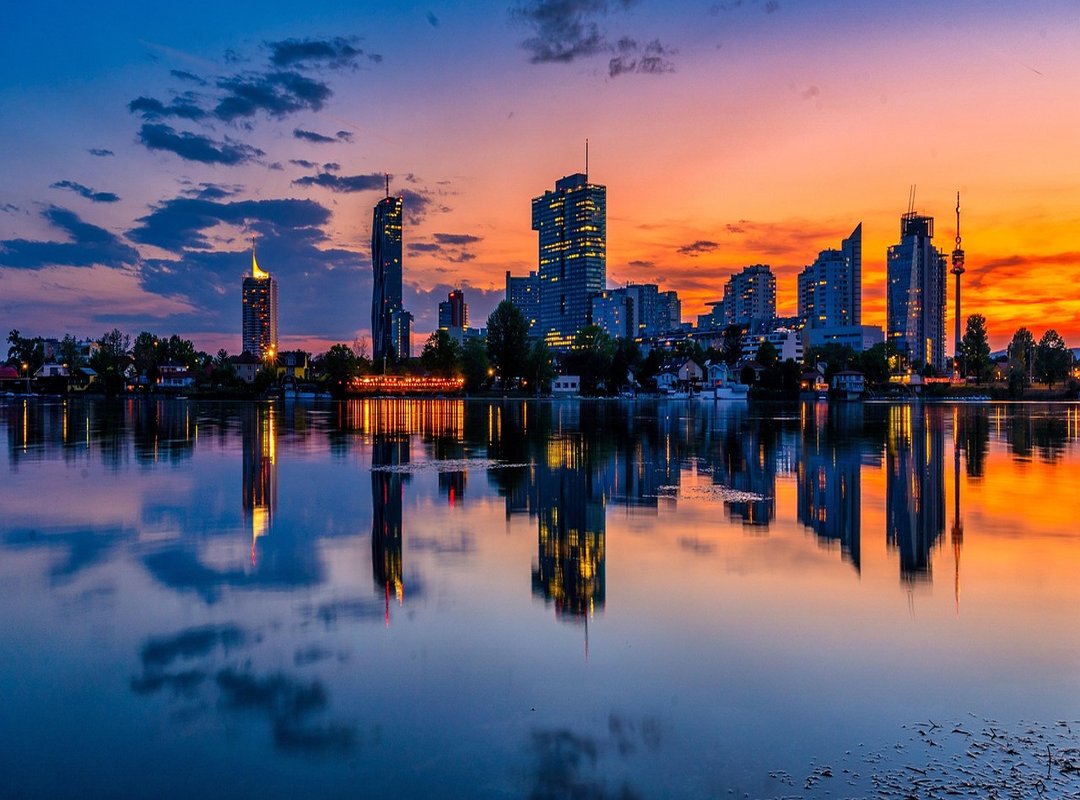
The unique name of the Zeyejapa Hotel reflects its cultural heritage and commitment to providing exceptional service to guests.
It feels older. Sharper. The Z hits first.
Like a spark. Then the J, guttural and quick. That combo isn’t common in American place names.
Could it come from a local language? Maybe one spoken near where the Zeyejapa Hotel sits right now?
I checked the location. It’s rooted in a region with deep indigenous history. And oral traditions where names carry weight, not just sound.
Folklore matters here. A local legend. A river’s old name.
A forgotten elder’s title. Those things stick. They get shortened.
Twisted. Turned into something new but still humming with meaning.
You’re probably wondering: what’s the Full Form of Hotel Zeyejapa?
Guessing is all we’ve got.
I wish I knew. But hotels don’t always explain their names. And without direct confirmation?
Still (look) around. What languages were spoken here before roads? Before maps?
That’s your best clue.
Not every name has a dictionary definition.
Some names are echoes.
And echoes don’t need translation.
They need listening.
Why “Zeyejapa” Isn’t a Typo
I named my hotel Zeyejapa because I got tired of guests guessing what the name meant before they even walked in.
It’s not an acronym. It’s not a place. There’s no “Full Form of Hotel Zeyejapa”.
(Yes, people ask.)
I wanted something you couldn’t Google and instantly understand. Something that made you pause. Something you’d mispronounce on purpose just to start a conversation.
Less confusion with “The Grand Plaza Inn” down the street.
Unusual names stick. They’re easier to trademark. Less legal back-and-forth.
Zeyejapa doesn’t carry baggage. No preloaded expectations. No tired associations with “luxury” or “boutique” or “resort”.
We built the meaning ourselves (through) service, light, silence, surprise.
Think of Ace Hotel. Or The Standard. Or even Aman.
None of those names mean anything. Until they do. Until you stay there.
Until it clicks.
People remember weird names. They tell friends. They tag locations.
They ask, “What does it mean?” (and) then you get to answer however you want.
That’s control. That’s space.
You don’t need a story baked into the name. You need room to write one.
And if you’re wondering how that feels in real life (try) the Zeyejapa Hotel for the Holidays.
What Zeyejapa Really Means
It’s not an acronym. There’s no secret code behind it. I checked.
I asked. I dug. Full Form of Hotel Zeyejapa? Doesn’t exist.
Zeyejapa is made up. On purpose. It’s meant to stick in your head.
Not decode like a puzzle.
You wanted meaning. You got confusion instead. That’s the pain point: names that feel important but give you nothing concrete.
The real meaning shows up when you walk in the door. When you smell the coffee. When you hear the front desk laugh.
So skip the dictionary.
Go see what the place does, not what the name says.
Next time you hit that wall. Staring at a strange hotel name, wondering what it “stands for” (just) book the room.
Then tell me what you felt.