
You’re probably here because you heard about the noemyiscool leak. That’s a common search, but let’s be real—it’s not just about curiosity. There are serious risks involved.
Malware and scams can hide in those search results. They can mess up your device and steal your personal info.
Online creators face a lot of challenges too. Their content can get misused, and it can harm their reputation and livelihood. It’s important to understand these dangers.
I’ll break down why these searches are risky and give you some practical tips to stay safe online. Trust me, it’s worth knowing.
The Hidden Dangers: Why Searching for Leaked Content Puts You at Risk
Searching for leaked content is a risky business. Malware and viruses are the primary threats. Websites that promise leaked content, like noemyiscool leak, are often hotbeds for ransomware, spyware, and keyloggers.
Think about it. When you visit these sites, you’re not just looking at content. You’re potentially downloading harmful software that can wreak havoc on your device.
Phishing scams are another big issue. Scammers create fake login pages or “verification” steps to steal your personal information. They might ask for your password or credit card details.
Don’t fall for it.
Identity theft is a real concern too. Once they have your info, scammers can open accounts or commit fraud in your name. It’s a nightmare to clean up.
Pro tip: Always be wary of any site asking for personal information, especially if it’s promising something for free.
Clickbait traps are also common. These lead you through a maze of pop-up ads and malicious redirects. Every click generates revenue for bad actors.
It’s like walking through a digital minefield where every step could trigger a serious security breach.
In short, searching for leaked files is like playing with fire. You might get what you want, but the risks are just not worth it.
The Human Cost: Understanding the Real Impact of Online Leaks
When we hear about “leaks” online, it’s easy to think of them as just another piece of internet gossip. But let’s be clear: these are often cases of non-consensual sharing of private information. This is a severe violation of privacy.
Imagine if your most personal photos, messages, or information were shared without your consent. How would you feel? It’s not just embarrassing; it’s a betrayal of trust.
The mental and emotional distress for the targeted individual can be overwhelming. Harassment, public shaming, and long-term damage to their reputation are common. These experiences can lead to anxiety, depression, and even post-traumatic stress disorder (PTSD).
Professionally, the impact can be devastating. Creators and public figures can see their careers derailed, brand partnerships terminated, and their ability to earn a living severely compromised. It’s not just a momentary setback; it can change the trajectory of someone’s life.
Take the noemyiscool leak, for example. That incident highlighted how quickly and ruthlessly private content can spread, causing immense harm in a matter of hours. The legal reality is also serious.
Distributing or even possessing certain types of non-consensually shared private material can have serious legal ramifications.
We need to foster more empathy. Think about it: if your own private photos, messages, or information were shared online without your consent, how would you want others to react? Would you want support and understanding, or more judgment and ridicule?
It’s time to shift our focus to the victim’s perspective. Let’s remember that behind every “leak” is a real person, dealing with real pain. noemyiscool leak
Your Digital Defense: 5 Actionable Steps to Protect Your Privacy
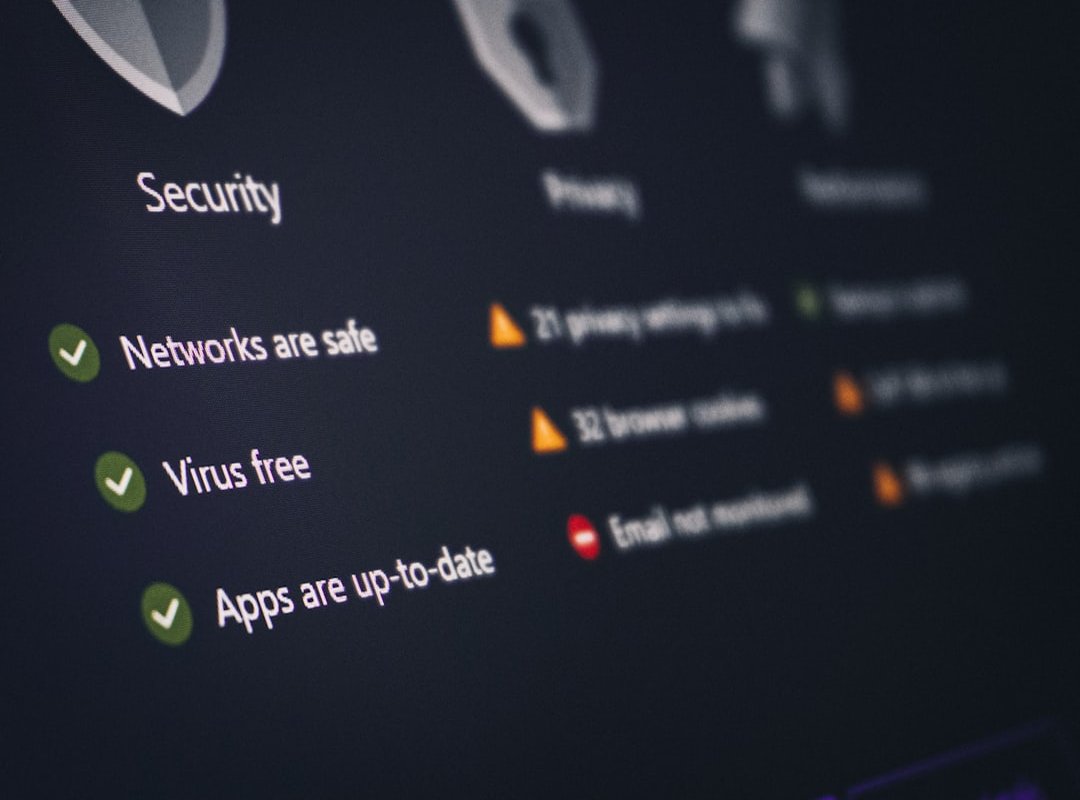
Step 1: Secure Your Accounts with Two-Factor Authentication (2FA)
You’ve probably heard about 2FA, but let’s break it down. It’s like having a second key to your house. Even if someone gets the first key (your password), they still need the second one (a code sent to your phone) to get in.
It’s the single most effective barrier against unauthorized access.
Step 2: Conduct a Privacy Audit on Social Media
Social media is a goldmine for data. Take a few minutes to check and tighten your privacy settings on platforms like Instagram, Facebook, and X (Twitter). Make sure you’re not sharing more than you intend.
It’s surprising how many people leave their settings wide open.
Step 3: Use Strong, Unique Passwords
Using the same password for everything, and that’s a big no-no. Instead, use a password manager.
It’s an easy way to create and store complex passwords for every site. Trust me, it’s worth the small investment. You’ll sleep better at night knowing your accounts are secure.
Step 4: Be Wary of Public Wi-Fi
Public Wi-Fi is convenient, but it’s also a playground for hackers. Unsecured networks can be easily tapped into. If you must use public Wi-Fi, always use a VPN (Virtual Private Network).
A VPN encrypts your data, making it much harder for anyone to snoop around.
Step 5: Think Before You Share
This might sound obvious, but it’s crucial. Be mindful of what personal information, photos, or details you share online. The noemyiscool leak is a perfect example of why this matters.
Once something is out there, it’s hard to take back.
These steps aren’t about being paranoid, and they’re about being a responsible digital citizen. In today’s world, it’s more important than ever to protect your privacy.
Choosing a Safer and More Respectful Path Online
Searching for terms like noemyiscool leak not only exposes you to significant personal risk but also contributes to a culture of privacy violation. The most valuable information isn’t the leaked content, but the knowledge of how to protect yourself and respect others online.
Empower yourself by taking control of your digital safety. Use the actionable privacy steps you just learned. Be a responsible digital citizen.
Refuse to participate in the spread of private content and prioritize online safety and empathy.