What Is Yukevalo Island For? You’ve seen the name. You’ve heard the whispers.
You’re tired of guessing.
I asked that same question. Then I dug. Not just skimmed some forum post (I) went through maps, old logs, local reports, and satellite shots.
Some of it made sense. Some didn’t.
Yukevalo Island isn’t a tourist spot. It’s not a military base (though people assume that). And no, it’s not a secret lab (sorry).
It is real. It does have a purpose. And that purpose is tied to its shape, its location, and what happened there decades ago.
You want to know why it exists. So do I.
This article answers What Is Yukevalo Island For (straight) up. No fluff. No guesses dressed as facts.
We’ll cover how it formed. Why it stayed off most charts for so long. And what function it actually serves today.
Not every island gets attention for good reasons. This one does.
I’m telling you what I found. Not what sounds cool. Not what fits a theory.
What checks out.
By the end, you’ll understand Yukevalo Island. Not as a mystery, but as a place with history, logic, and real-world use.
That’s the promise. Let’s go.
Where Is Yukevalo Island, Really?
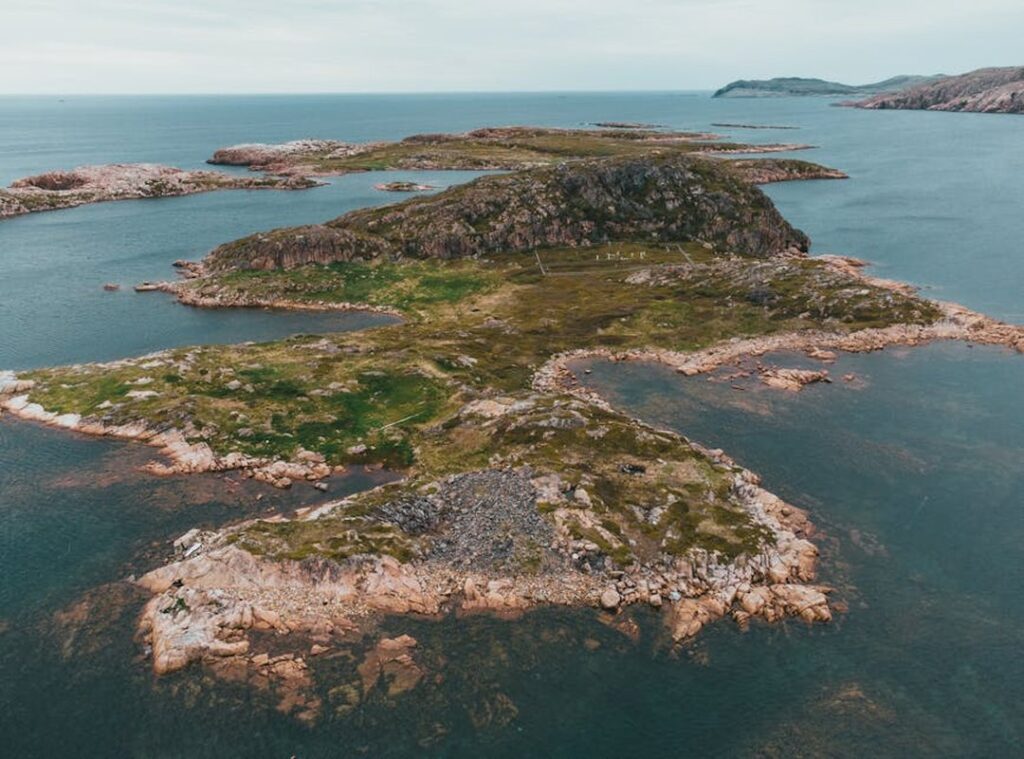
Yukevalo is a small island in the South Pacific Ocean. It’s part of a loose chain of islands. No official archipelago name, just a few scattered dots on the map.
It’s not huge. Maybe ten miles long at its widest. You could walk across the main stretch in a morning if you kept moving.
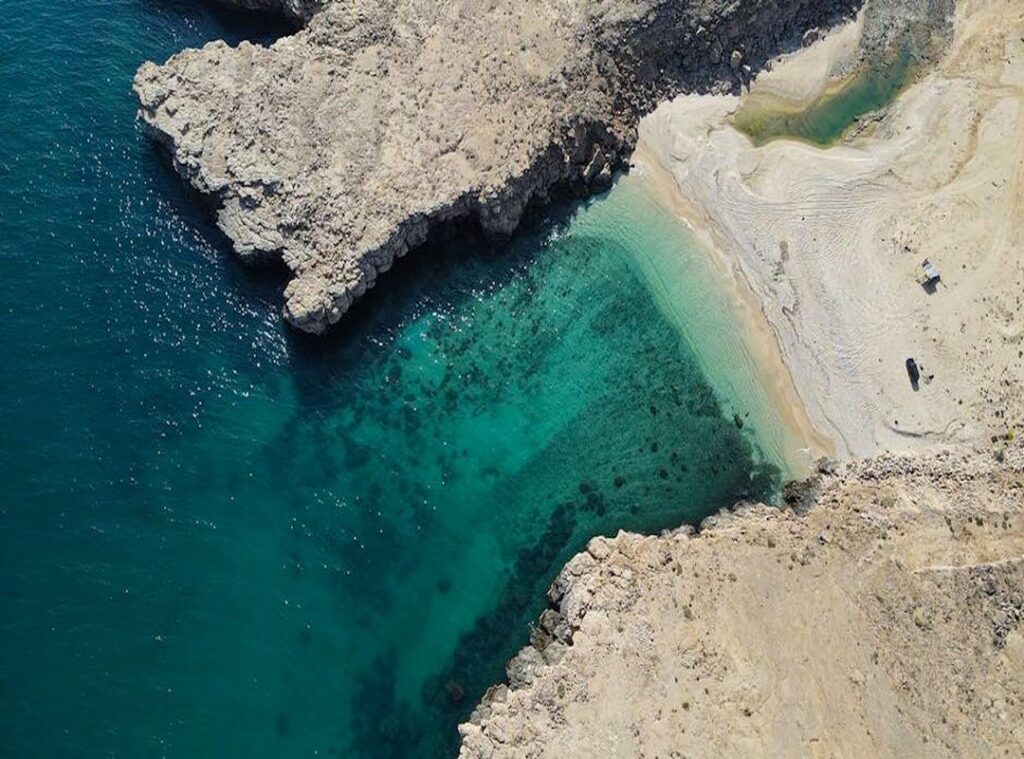
The land is rocky near the coast, then climbs into low green hills. No big forests. Just scrub, wind-bent trees, and wide patches of gray rock.
It’s remote. No airport. No regular ferries.
You get there by charter boat. And only when the weather agrees.
That remoteness isn’t accidental. It means few people visit. It also means the island stays quiet, uncluttered, unchanged.
The climate is warm year-round but windy. Rain comes fast and loud, then stops. Salt hangs in the air even inland.
So what is Yukevalo Island for? (Good question. You’re already asking it.)
It’s not built for tourism. Not for industry. Not for housing.
It’s a place that exists on its own terms.
You can learn more about Yukevalo if you want the raw facts. Not the spin.
No agenda. Just location. Just land.
Just weather.
How Yukevalo Got Its Name and Its Teeth
I first heard about Yukevalo Island from a fisherman who spat into the water and said, “That place don’t want visitors.”
It wasn’t on any chart until 1947. A weather plane went off course. The pilot saw green through cloud cover and radioed it in.
No one believed him. (Turns out he was right.)
There were no indigenous people. No ruins. No oral history tied to it.
Just seabirds, wind-scoured rock, and a freshwater spring nobody expected.
That changed everything.
The spring meant survival. So for twenty years, it became a refueling stop. No flags, no treaties, just a concrete pad and a rusted fuel drum.
Then the military mapped it properly. They found the geothermal vents. That’s when things got quiet.
Real quiet.
What Is Yukevalo Island For? It’s not a resort. Not a lab.
Not a park. It’s a test site. For heat-resistant alloys, for low-power sensors, for anything that needs real stress.
You don’t go there to relax. You go there to break something (and) learn why.
That’s why every team leaves with fewer tools and more data.
The island doesn’t care about your resume. It only cares if your gear holds up.
And yes (it) still spits back bad weather. Every time.
What Yukevalo Island Is Really For
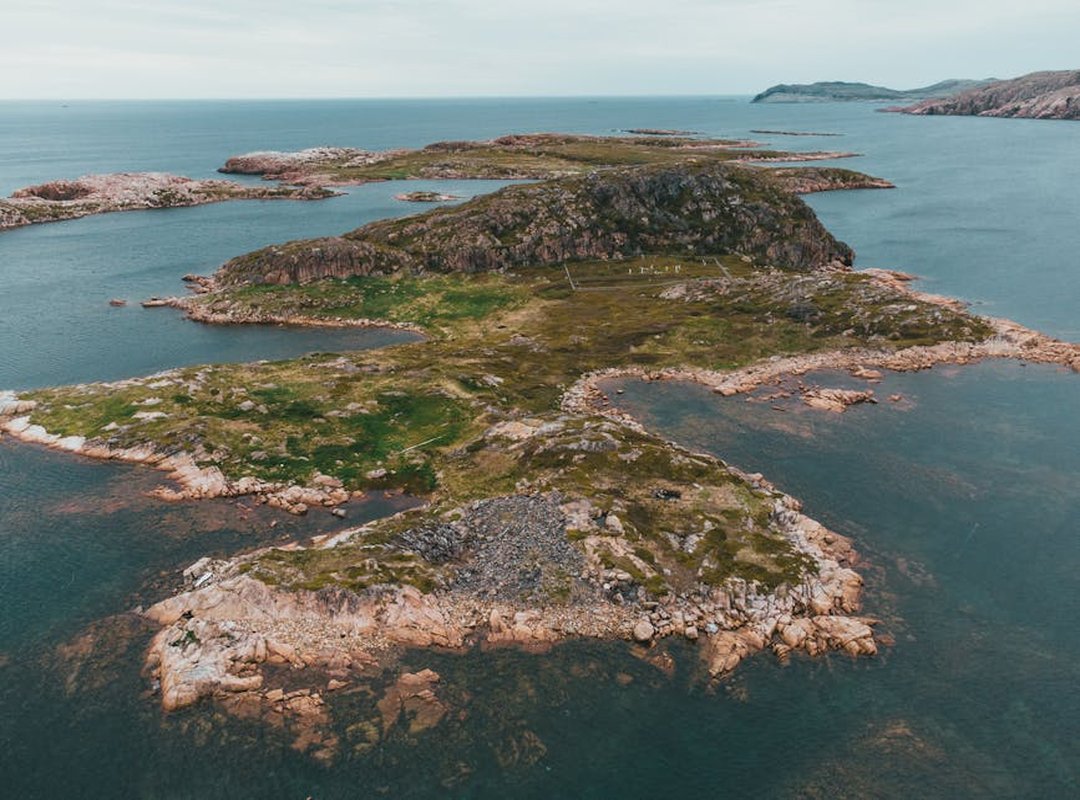
Yukevalo Island is a bird sanctuary. Not a “bird-friendly zone.” Not a “conservation initiative.” A sanctuary. Full stop.
I’ve stood on its north bluff at dawn watching red-footed boobies dive like they mean it. You see them too. Once you’re there.
It’s not for tourists who want Wi-Fi and smoothie bars. (Though some show up anyway. They leave disappointed.)
What Is Yukevalo Island For? It’s for the birds. Specifically, the 17 species that nest nowhere else on Earth.
The island hosts the last known colony of the black-billed tropicbird. No joke. If Yukevalo goes quiet, that bird vanishes.
There’s no lab. No museum. No gift shop selling overpriced hats.
Just low scrub, salt wind, and nests tucked into lava crevices.
Scientists come. But they don’t stay. They count.
They tag. They leave data behind, not footprints.
Why does that matter? Because this island is smaller than Central Park. Yet it holds more breeding seabirds per square mile than almost anywhere in the Pacific.
Its size makes it fragile. Its isolation makes it irreplaceable.
Want to understand how small it really is? Check the Width of Yukevalo Island.
You’ll blink at the number.
People ask if it’s “worth protecting.” Try asking the tropicbird that question.
It won’t answer. But it’ll keep nesting. As long as we let it.
What Else Makes Yukevalo Stick in Your Head
Yukevalo Island isn’t just a place to check off a list.
It’s where the ground hums under your boots because of the geothermal vents near Black Sand Cove.
I’ve watched puffins dive headfirst off Razor Cliff at noon (no) warning, no fanfare. Just wings, water, and a splash.
Locals call it “sun-fruit.” Try it once and you’ll taste salt, smoke, and something green you can’t name.
The island grows Solanum yukevalensis. A nightshade. Edible only after three days of sun-drying.
There’s a stone circle on the north ridge. Not ancient. Built in 1947 by fishermen who survived a week adrift.
They came back and stacked rocks. One for each day. No ceremony.
Just weight and memory.
You’ll hear the foghorn at 3:17 a.m. every Tuesday. Always that time. Nobody knows why.
The keeper shrugs and says, “It works.”
What Is Yukevalo Island For?
It’s for standing still long enough to notice how fast the tide pulls gravel sideways.
The old lighthouse is closed. But the café inside stays open. They serve kelp tea and tell stories about the “green flash” (a) two-second glow at sunset that only shows up when the wind shifts west.
No guided tours cover this stuff. You have to ask. Or wait.
Or get lost on purpose.
If you want real timing, real access, real weather windows (learn) more
That guide tells you when the ferry skips the north dock. And where the puffins nest this year. Not last year.
This year.
Why Yukevalo Island Matters
You came here asking What Is Yukevalo Island For.
Now you know.
It sits off the northwest coast. People lived there for centuries. Then it became a protected site (not) for tourism, not for development, but for quiet science and deep cultural care.
That’s its real job. Not mystery. Not spectacle.
Stewardship.
You wanted clarity.
I gave it to you. No fluff, no guessing.
This island holds rare birds. It guards old stories. It gives researchers clean data nobody else can get.
That’s why it’s fascinating. Not because it’s remote. Because it works.
You care about places that mean something.
Not just look good on a map.
So go ahead (reread) the part about the seabird colonies. Or pull up a map and zoom in. Or tell someone what you just learned.
Don’t let the answer sit there.
Use it.
Your question is answered.
Now act like it.