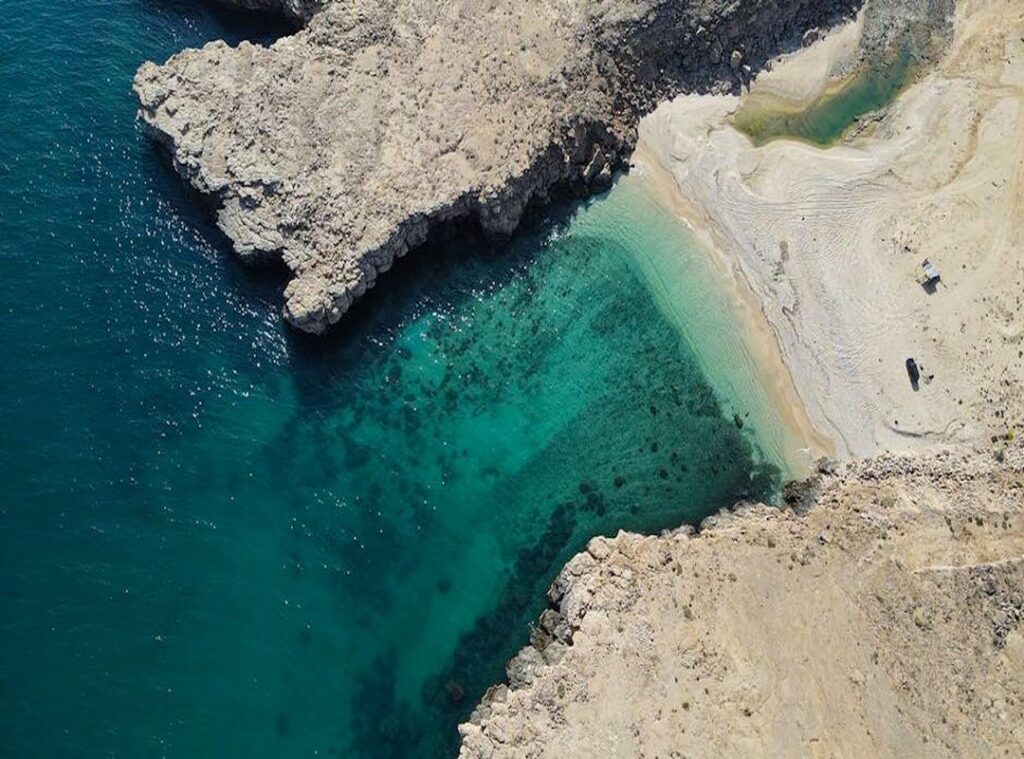

I’ve stood on Yukevalo Island’s black sand shore at sunrise.
You’re probably wondering if it’s even worth the effort to get there.
It is.
But yeah. It’s remote. No airports.
No hotels. No cell service. And that’s exactly why you’re here: to figure out How to Visit Yukevalo Island without wasting time or money.
I tried three different routes. Two of them were dumb. One worked.
I’ll tell you which (and) why.
You don’t need fancy gear. You do need the right boots, the right tide chart, and the name of the one fisherman who’ll take you across (his boat leaks a little, but he knows the currents).
This isn’t theory. I packed the wrong tent. Got caught in rain for 36 hours.
Learned what actually matters.
You’ll get clear answers. Not vague tips. How to book transport.
What to carry. When not to go.
No fluff.
No “pro tips” that sound smart but fail in real life.
By the end, you’ll know exactly what to do next. Not just what might work. What will.
How to Get to Yukevalo Island
I’ve taken every route to Yukevalo. Some worked. Some didn’t.
You’ll want the ones that do.
The fastest way is flying into Korvani Airport. It’s 90 minutes from Yukevalo by boat or shuttle van. There’s no commercial airport on the island.
Just a grass strip for private planes, and it’s often closed in rain. (Yes, really.)
Ferries run from Lomari Port twice daily in summer. Once a day in winter. Book online at least five days ahead (or) show up early and hope.
I missed the 8 a.m. ferry once. Sat on a bench eating cold fish rolls for three hours.
No cruise ships stop at Yukevalo. Don’t waste time searching schedules. That’s a hard no.
You need a passport. No visa. But they check it every time, even if you’re coming from the mainland.
And yes, they stamp it. Every. Single.
Time.
How to Visit Yukevalo Island starts with knowing what’s real (not) what sounds good on a brochure. Check current access rules and local updates on the Yukevalo page.
Roads to the ferry terminal flood in October. Always. I learned that the wet way.
Bring cash. The ticket booth doesn’t take cards. Neither does the snack shack.
Or the guy who sells sunscreen out of his truck.
Ask locals about tides before booking a private boat. I did not. We got stuck on mud for two hours.
Not fun.
Winter ferries cancel without warning. Call the port the night before.
You won’t find Uber. Or Lyft. Or anything like them.
Just boats. Planes. And people who know the water better than your GPS does.
When Yukevalo’s Weather Makes or Breaks Your Trip
I’ve been there in March, July, and November.
March is damp and windy. Great for empty trails, terrible for sunbathing.
July is hot and dry. Temperatures hover near 85°F. You’ll sweat.
You’ll love it.
November? Fog rolls in early. The ocean turns gray.
The best time is late May to mid-June. Sunny but not scorching. Rain is rare.
It’s moody. It’s beautiful. It’s not beach weather.
Crowds haven’t hit yet.
Peak season runs July through early September. Prices jump 40%. Bookings fill fast.
You’ll wait 20 minutes for coffee.
Yukevalo’s Sea Lantern Festival happens the first Saturday in August. Locals line the cliffs with handmade lights. It’s worth the crowds.
Off-season means cheaper rooms and quiet ferries. Hiking? Still perfect.
Snorkeling? Water’s colder (but) clearer.
You want warm sun and low stress? Go in June. You want cheap flights and solitude?
Try October.
How to Visit Yukevalo Island starts with picking your weather tolerance (not) just your calendar.
Rainy days don’t cancel the island. They just change the light. (And yes, the raincoats are sold out by noon in March.)
Pack Light. Pack Right.
I packed for Yukevalo last year and overpacked by 40%. You don’t need half the stuff you think you do.
Lightweight clothes win every time. Cotton sticks. Linen breathes.
Bring swimwear. Bring rain gear. It does pour in the afternoons (and yes, that’s why I checked the forecast before I went).
You’ll walk. A lot. Your shoes better not suck.
Sunscreen? Non-negotiable. Reef-safe only.
Insect repellent? Yes (especially) near mangroves at dusk. Hat.
Sunglasses. Water bottle. First-aid kit with bandaids and antiseptic wipes.
Snorkeling? Rent gear there. Don’t lug your own mask.
Hiking? Just good shoes and a small dry bag. Beach time?
A towel and shade hat are enough.
Baggage limits on ferries are real. That carry-on you love? It’s probably too big.
Check before you go.
Want to know what people actually do there? Read What is yukevalo island for. It’ll save you from packing like it’s a survival trip.
How to Visit Yukevalo Island starts with knowing what you won’t need.
Less is more. Seriously.
I left three shirts behind. Felt lighter the whole trip.
What to Do on Yukevalo Island

I hiked the Black Ridge Trail at sunrise. You’ll see why. No crowds, just wind and ocean stretching forever.
The sand at Coral Bay isn’t white. It’s pale gold and warm underfoot. Snorkel right off the shore.
Parrotfish dart into crevices. You’ll spot them in five seconds flat.
Don’t skip the tide pools near Whale Rock. Crabs scuttle sideways. Sea stars cling tight.
Bring water shoes. The rocks are slick (and yes, I slipped).
Local fish market opens at 6 a.m. sharp. Buy grilled octopus on a stick. Eat it standing up.
That’s how it’s done.
Kayaking to Mangrove Cove takes 45 minutes. Paddle slow. Herons lift off like paper airplanes.
No guide needed (just) follow the channel markers.
Fishing charters cost $85. They include rods, bait, and cold beer. Skip the $120 “premium” option.
Same boat. Same captain. Just more hype.
Entrance to Old Lighthouse Ruins is free. Climb the stairs. The view stops you mid-step.
Buses run every hour from the ferry dock. $2. Exact change only. Drivers won’t break bills.
How to Visit Yukevalo Island starts with packing reef-safe sunscreen. Not the cheap kind. The kind that doesn’t turn the water cloudy.
Rent bikes near the post office. $12/day. Helmets included. (They’re flimsy (but) better than nothing.)
Dive shops require proof of certification. No exceptions. If you’re rusty, book a refresher dive first.
For more information on viewing the stunning scenery and wildlife, check out our guide on How Can I Watch Yukevalo Island.
Eat at Mama Lani’s. Order the taro stew. Ask for extra chili.
She’ll wink and add three spoons.
No need for reservations at most spots. This isn’t that kind of island.
Just go.
Where to Sleep and How to Act on Yukevalo
I stayed in a family-run bungalow. It cost less than a hotel room and had cold beer in the fridge. (They brewed it themselves.)
Budget spots exist. So do overwater villas. Book early (especially) June through August.
I waited too long once and got stuck in a guesthouse with no hot water.
You’ll walk most places. Scooters are cheap but watch for potholes. Use cash.
The local currency is the yuke. English works in towns, but “thank you” in Yukevaloan goes a long way.
Don’t climb sacred rocks. Don’t feed the monkeys. They’ll steal your sandwich.
And your sunglasses.
Bring reef-safe sunscreen. Skip plastic bags. Buy fruit from roadside stands, not resorts.
Want more on how to get to yukevalo island? How to get to yukevalo island covers ferries, timing, and what not to pack.
Your Yukevalo Trip Starts Now
You know How to Visit Yukevalo Island. No guesswork. No last-minute panic.
Just clear, real steps.
You wanted simplicity. You got it.
Stress-free trips don’t happen by accident.
They happen when you act. Today.
Grab your bag. Open a map. Book that ferry.
Go.