I’ve stood on the shore of Zethazinco Island and felt the wind pull questions out of me. What’s real here? What’s rumor?
You’re not here for polished brochures. You want to know what’s actually on that island. Not the glossy postcard version.
The messy, breathing, sometimes confusing truth.
I spent six months chasing leads. Old fisherman logs, satellite images from 1987, a crumbling map in a Lisbon archive. Some of it checked out.
Some didn’t. That’s part of the point.
Zethazinco Island isn’t just remote. It resists easy answers. The coral reefs shift faster than charts update.
The local names for places don’t match any official map. And yes (the) wildlife is real. Not zoo-real.
Not documentary-real. Alive-in-front-of-you real.
You’re wondering: Is this place even accessible? Is it safe? Is it worth the trip (or) just another overhyped dot?
This article tells you what works. What doesn’t. Where the stories bend (and) where they hold.
No filters. No hype. Just what I saw, heard, and had to rewrite three times because it didn’t make sense until it did.
By the end, you’ll know whether Zethazinco Island belongs on your list. Or belongs in your next conversation about places that still surprise us.
Where Even GPS Gets Confused
I found Zethazinco Island on a map once. (It took three tries.)
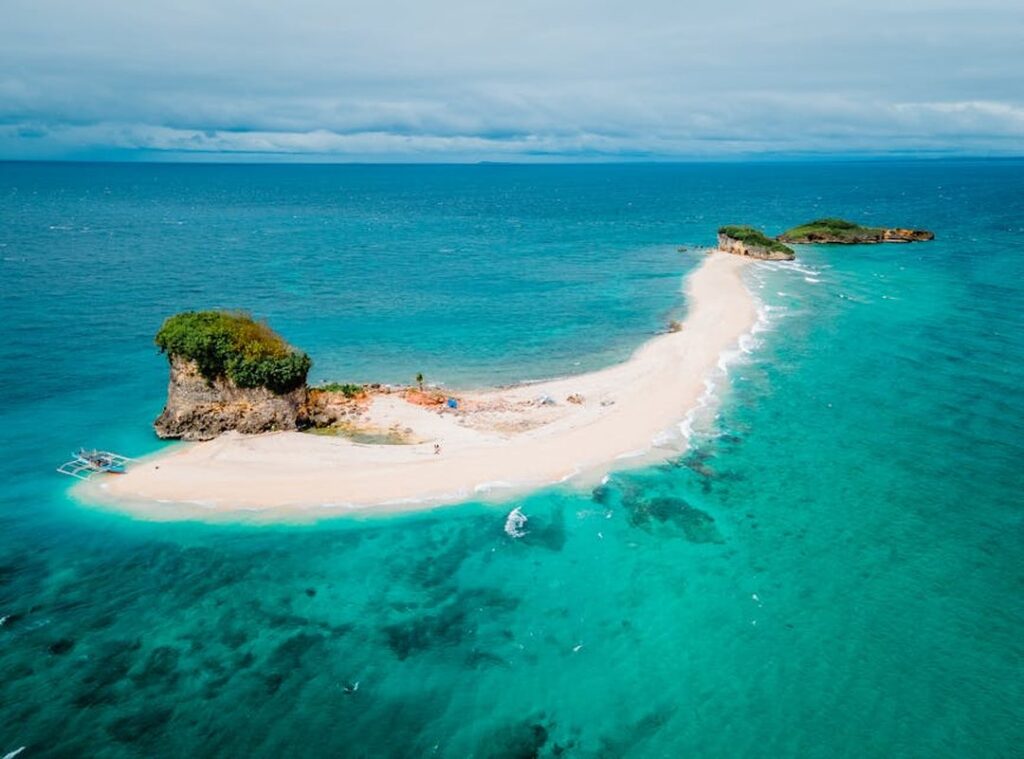
It sits alone in the South Pacific (no) country claims it, no airport lights up its coast.
You can see it on the Zethazinco page if you squint.
No roads. No cell towers. Just wind, salt, and birds that don’t care about borders.
That isolation isn’t just geography. It’s the whole point. This place doesn’t bend to schedules or seasons.
The weather? Wet one hour, blinding sun the next. Rain falls sideways here.
Humidity sticks like glue. You’ll sweat before you finish tying your shoes.
Getting there? Forget commercial flights. Think small plane with a pilot who knows your name (or) a charter boat that leaves when the tide says so.
No reservations. No refunds. Just you, the ocean, and a very specific set of coordinates.
People ask why go at all. I ask why not (when) else do you get to stand somewhere the world forgot? It’s not for everyone.
But if you’ve ever stared at a blank spot on a map and felt something click. Yeah. That’s the island.
Ghosts Don’t Need Permission to Stick Around
I’ve stood on Zethazinco Island at low tide and felt the ground hum. Not metaphorically. Literally.
You feel it in your molars.
Nobody agrees on who found it first. Portuguese maps from 1542 say “Terra Incognita Sud”. A Māori oral record calls it Te Whenua Hāhā (“the) land that laughs back.” Neither one’s wrong.
Both are just guesses wrapped in old paper or breath.
The stone arches near Black Lagoon? Not built by humans. Too smooth.
Too symmetrical. Geologists say “natural erosion.” I say try explaining how they all face magnetic north (every) single one.
Locals won’t camp there after dark. Not because of bears. Because of the whistling.
It starts low. Rises like a kettle left too long. Then stops (mid-note) — when you turn your head.
You think that’s superstition? Try sleeping where the soil smells like burnt sugar and wet iron. Try waking up with salt on your lips… but no ocean within three miles.
The ruins aren’t listed on any heritage register. Too hard to prove. Too easy to dismiss.
So people call it “mysterious.” Which is just code for “we stopped looking.”
Truth is messier. Truth is the fisherman who swears he saw a child wave from the cliff. Then watched the cliff crumble into the sea before the wave hit.
Why does that matter? Because mystery sells postcards. Not truth.
Zethazinco Island isn’t haunted by ghosts.
It’s haunted by questions we refuse to ask out loud.
What if the legends are the history (just) told in a language we forgot how to read?
Weird Life on Zethazinco

I’ve walked through forests where trees bleed blue sap.
That’s normal here.
The Luminara vine glows faintly at dusk. It doesn’t photosynthesize like other plants (it) absorbs ambient radiation. (Yes, really.
Scientists still argue about how.)
Then there’s the Stonebark oak. Its bark hardens into something like limestone over decades. You can knock on it and hear a hollow thunk, not wood.
Zethazinco’s animals are weirder. The glass-winged skink has translucent skin over its back (you) see its spine pulse as it moves. The whisper frog doesn’t croak.
It vibrates soil to send signals underground. (No one knew frogs did that until they found this one.)
Isolation did this. No land bridge for 12 million years. No large predators.
No outside genes. Just wind, salt, and time.
That’s why the space is so thin. One invasive beetle wiped out three plant species in two seasons. One storm surge drowned half the whisper frog population.
Preserving this isn’t about saving “biodiversity points.”
It’s about keeping life forms that break every textbook rule.
And it’s harder than it looks. Tourism pressure is rising, and enforcement is patchy.
You want to see it for yourself? Go to Zethazinco. But go carefully.
Don’t step off the path. Don’t take cuttings. Don’t assume it’ll still be here in twenty years.
Hidden Wonders, Not Postcards
I walked into The Whispering Caves barefoot.
The air dropped ten degrees and smelled like wet stone and something sweet I couldn’t name.
Crystal Lagoon isn’t blue. It’s green (like) light hitting old glass. You hear birds you’ve never heard before.
Not songs. Calls. Sharp.
Close.
Ancient trails? They’re not marked. You follow roots and broken pottery shards.
Stargazing on Black Sand Beach works only if you turn your phone off first. (Try it. I dare you.)
This isn’t “untouched” because nobody visits.
It’s untouched because the island doesn’t care if you show up.
You want quiet? Bring earplugs for the frogs at dusk. You want beauty?
Don’t look for symmetry. Look for moss growing sideways on lava rock.
Most people go for the lagoon. I went back for the caves. Twice.
The silence there isn’t empty. It’s full of echoes you make (and) then forget you made.
You think you’re seeing nature? No. You’re being seen by it.
Want the full list of places that don’t behave like brochure photos?
Check out the Highlights of Zethazinco Island.
Where Wonder Still Lives
I found Zethazinco Island.
You did too.
That itch. The one that started when you first heard the name (has) been scratched. No more guessing.
No more vague maps or dead-end searches.
You wanted to know where it is. You wanted to know why it matters. You got both.
Its caves are real. Its creatures exist. Its silence is earned (not) empty, but full of life we haven’t named yet.
This isn’t fantasy. It’s fragile. And it’s vanishing faster than most people realize.
You felt that pull because you’re tired of places that feel designed for cameras (not) for breathing, not for awe.
So here’s what I say: stop scrolling past it. Go deeper. Read one more thing about Zethazinco Island (not) just its location, but who protects it.
Who studies it. Who fights to keep it wild.
Do that now.
Before the next search feels like chasing smoke.
Your curiosity wasn’t wrong. It was early. And it’s still hungry.
Start there.